Culturally responsive women’s recovery house is first of its kind in Washington
Published 9:30 am Thursday, March 12, 2026
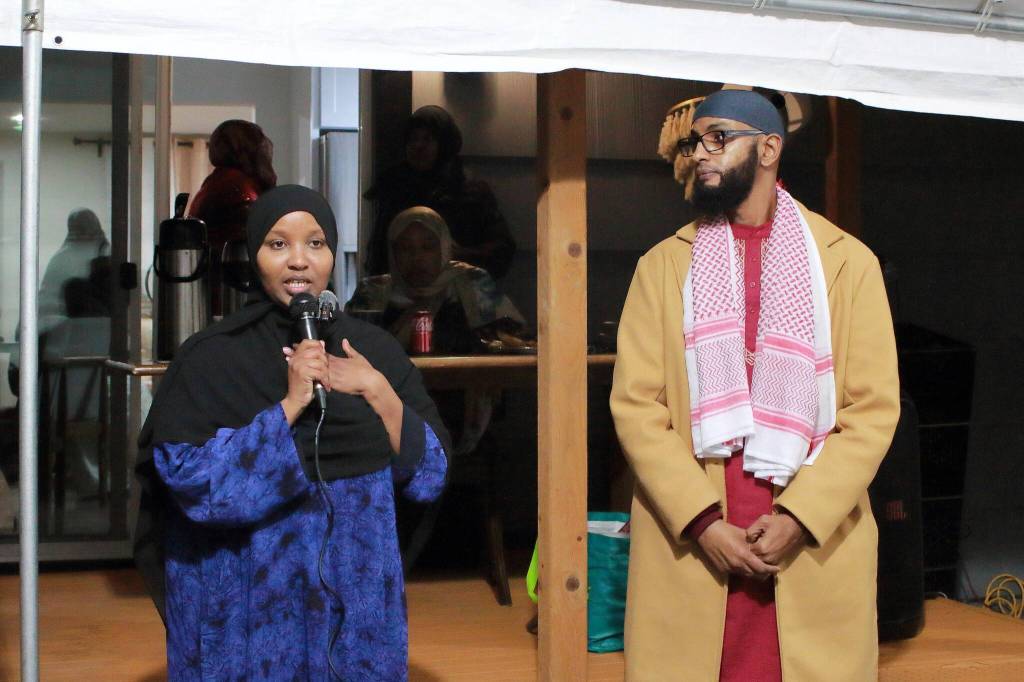
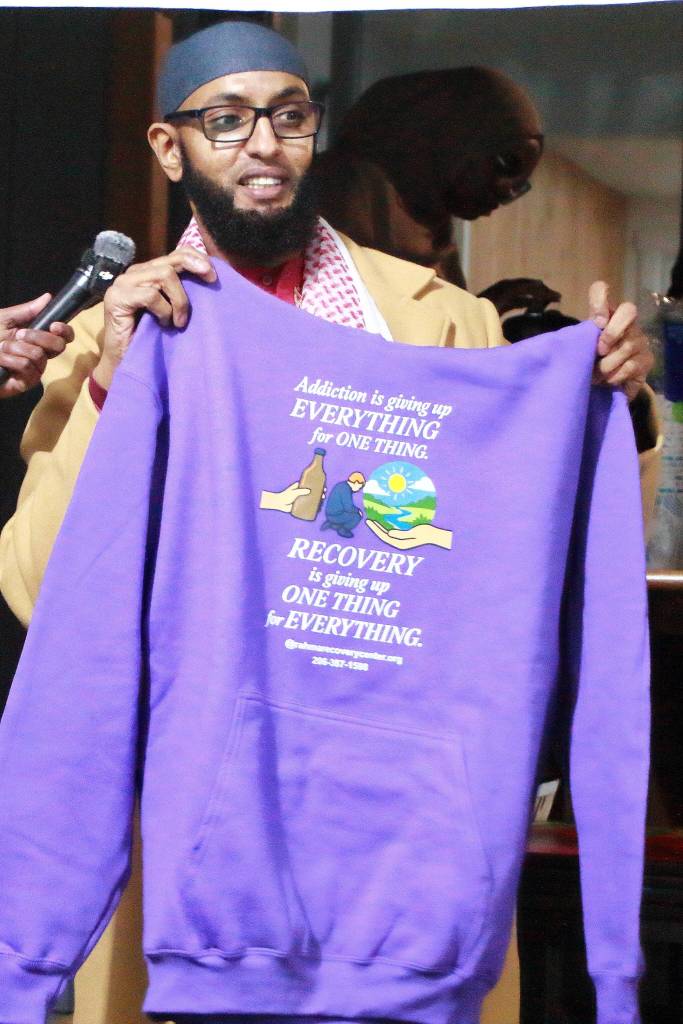
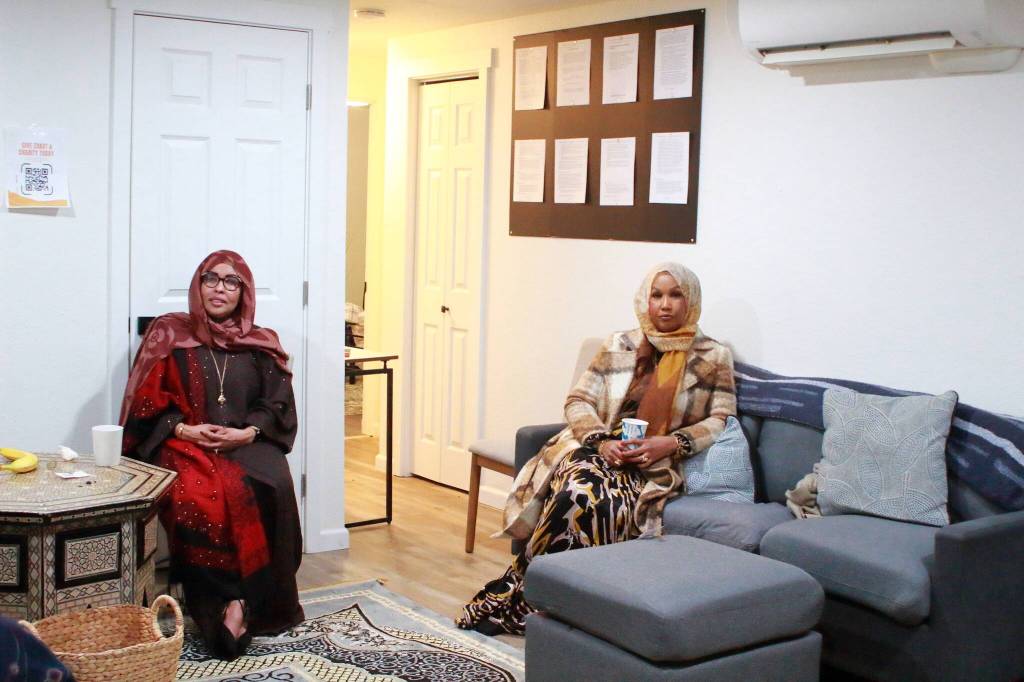





Federal Way has another first to celebrate thanks to recent Mirror Hometown Hero Hussein Ugas, who was featured for his work opening the first culturally responsive sober housing for Muslim and East African men in Washington.
Ugas’ organization, Rahma Recovery, has now expanded its recovery support resources with a women’s house after opening the men’s residence in November 2024.
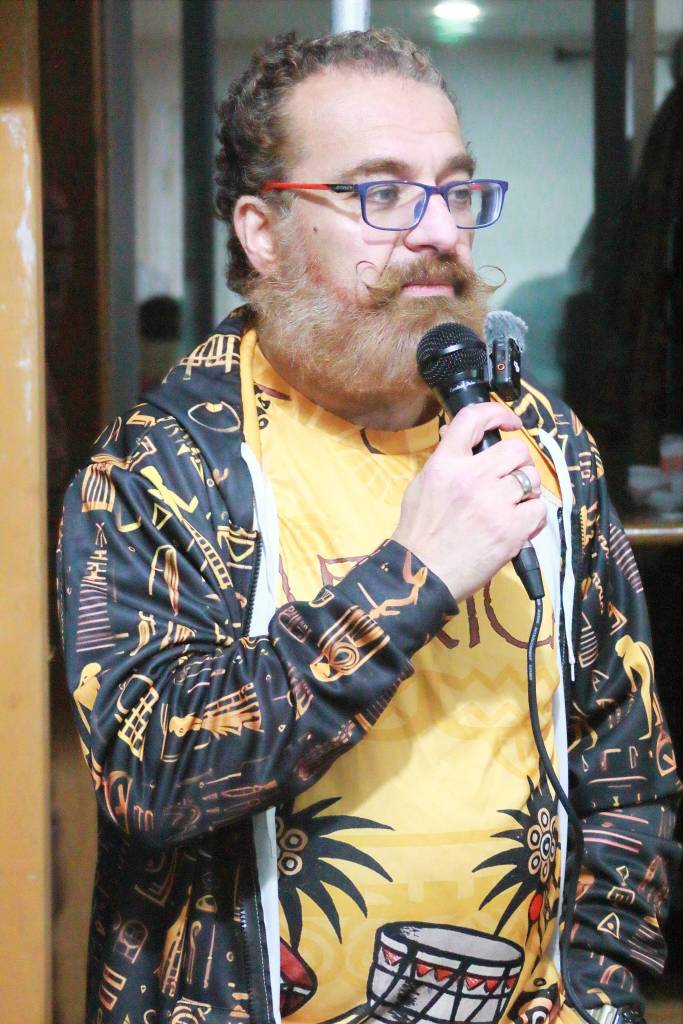
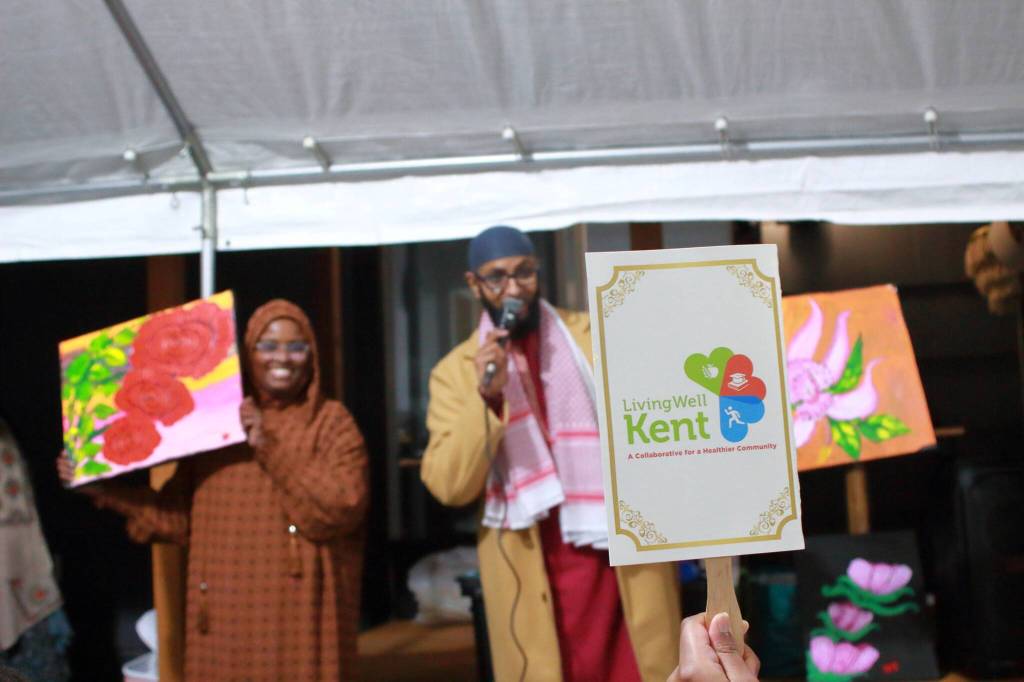
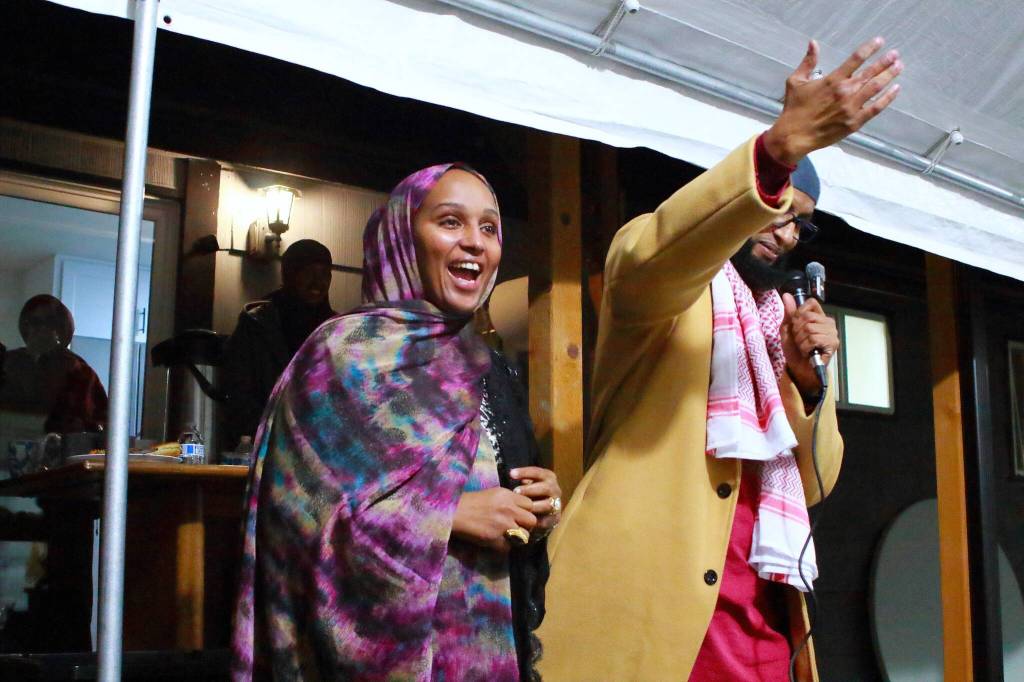
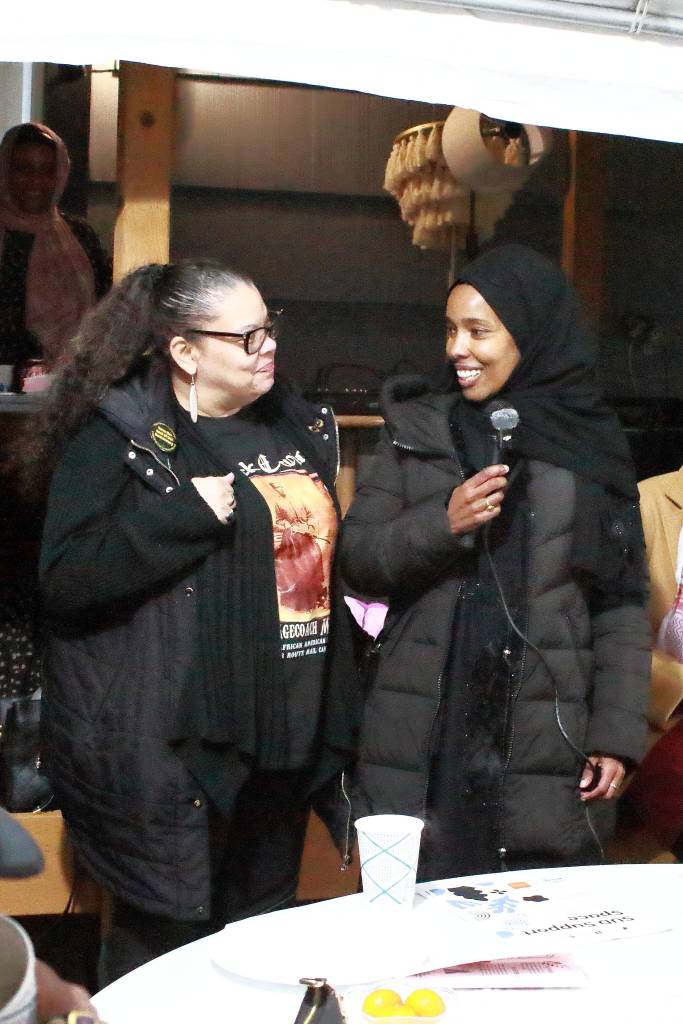
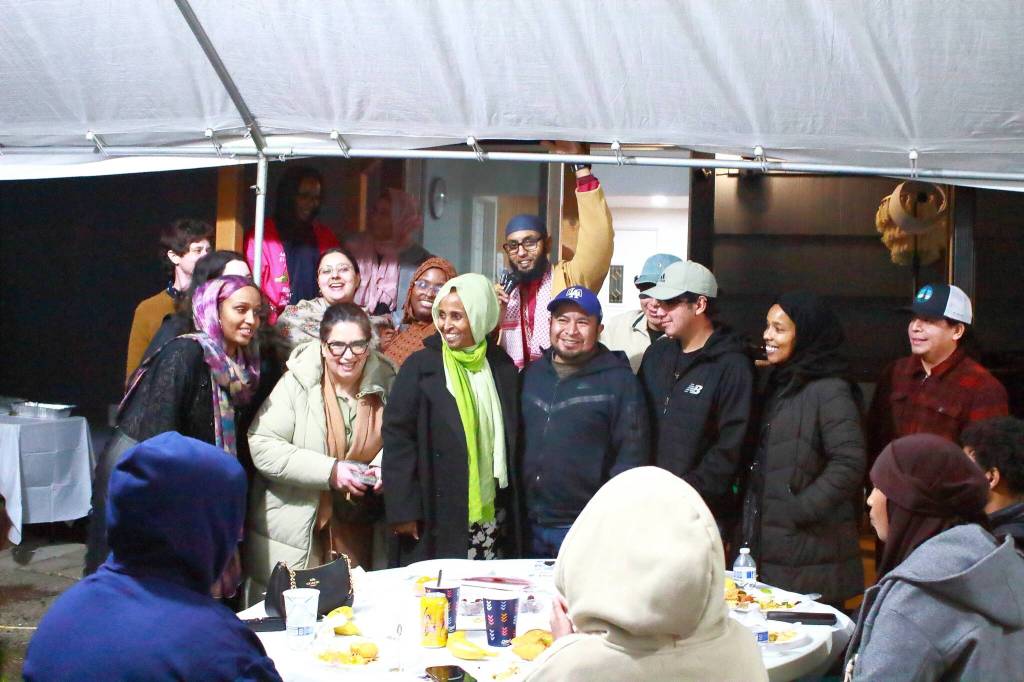
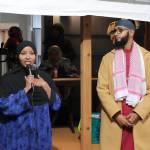
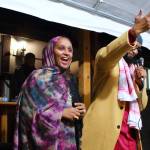
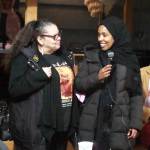
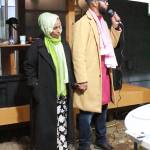
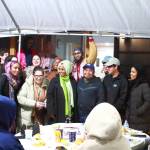
Rahma Recovery hosted a grand opening for the new house Feb. 28, bringing community members from across the region together. Guests heard speeches and shared iftar — the meal that breaks the daily fast during Ramadan.
Leaders from organizations including Rahma Recovery nonprofit partner Living Well Kent, the Somali Health Board and Washington Alliance for Quality Recovery Residences (WAQRR) spoke about how the culturally responsive recovery housing will support the community.
The recovery homes are open to all residents, not only those who are Muslim or East African. The program uses a faith-centered approach designed to meet cultural needs often overlooked in traditional recovery housing.
Traditional recovery residences “don’t have the tools, staff and cultural understanding” to fully meet the needs of their community, Ugas said.
Simple accommodations — such as access to halal food, kitchens free of pork products, scheduling recovery activities around the five daily prayers, and living with others who share similar cultural backgrounds — can make the recovery process easier.
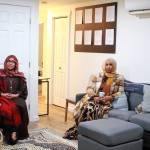
The new house, located in Federal Way, can support six women at a time and includes bedrooms, a shared kitchen, bathrooms and a backyard.
In addition to serving women recovering from substance use, the House of Du’a will also function as a peer respite location for emergency placement of people experiencing a mental health crisis.
Du’a refers to a personal and often spontaneous prayer asking for guidance, help or gratitude to Allah. Ugas told the Mirror the name felt fitting because the home represents the result of many answered prayers.
A loving community
“We come from a community where we never give up on our loved ones, no matter what,” Rahma Recovery board president Rahma Rashid said.
Rashid is also founder of the Muslimahs Against Abuse Center (MAAC).
“There’s another layer for women,” Rashid said, explaining that attitudes toward women struggling with substance use or mental health challenges can often carry additional stigma.
The mindset can sometimes be summarized as: “How dare you be struggling?”
That stigma can lead to secrecy and shame around addiction, an issue that can affect anyone at any age.
Rashid shared the story of a client who first sought help for substance use at age 60.
In both her work addressing domestic violence and substance use, Rashid said breaking the silence around these challenges is critical.
“These are two things that shouldn’t be stigmatized … we need to be open and honest with one another in the struggles that we’re going through because that is the only way we’re going to save lives,” Rashid said.
Rashid has also experienced the impact of addiction in her own family. She first met Ugas during a late-night conversation in her living room after her family sought help for her brother’s substance use.
After that meeting, her brother became one of the first residents in Rahma Recovery’s men’s house.
“That support truly saved him,” Rashid said.
“For a very long time, we didn’t know how to support him. We didn’t know how to be there for him. It gets draining, it gets hard,” she said, adding that culturally responsive recovery support made all the difference.
Barriers in traditional recovery housing
Like many speakers at the event, Ugas recognized the need for faith-based sober housing during his own recovery.
Even something as simple as shared kitchen space created barriers.
“I was able to advocate for myself. I was able to tell the house managers, the program director, ‘Hey, I can’t eat pork. I need a space, I need a kitchen where I can use the silverware,’” Ugas said.
“My housemates are always making eggs and bacon. It’s their choice. Let them eat what they want, but I live in this house too,” Ugas said.
Rahma Recovery homes are open to anyone who needs them, though they do have rules such as prohibiting pork products so that shared kitchen spaces remain accessible for everyone.
Ubah Farah also shared her recovery story, emphasizing how acceptance and confronting shame are key parts of the process.
“It’s hard to find a place that fits you culturally. It feels like you are walking around on eggshells at other treatment,” Farah said.
“Being the small percentage minority, African American, Muslim, you feel alone and isolated within that community,” she said. “Even though the recovery program itself works, you don’t feel at home. Here, you can feel at home while receiving the same program.”
By creating housing where culture and community are built in, Ugas said the program helps residents stay stable.
“We prevent men from violating probation and parole because they felt isolated in a house that was not conducive to their recovery,” Ugas said. “We’re helping women enter recovery homes where they don’t have to be ashamed to be a Muslim woman in recovery — where they can be respected and guided in the way they deserve.”
Rahma Recovery hopes to open a family recovery house in the future where parents can work on recovery without being separated from their children.
The organization is also working to open the first Recovery Cafe in South King County.
In addition, the group has launched a virtual Muslim recovery support group aimed at reducing stigma and expanding faith-centered recovery support.