Federal Way family’s free ‘garage sale’ provides medical supplies
Published 1:30 am Thursday, April 30, 2026
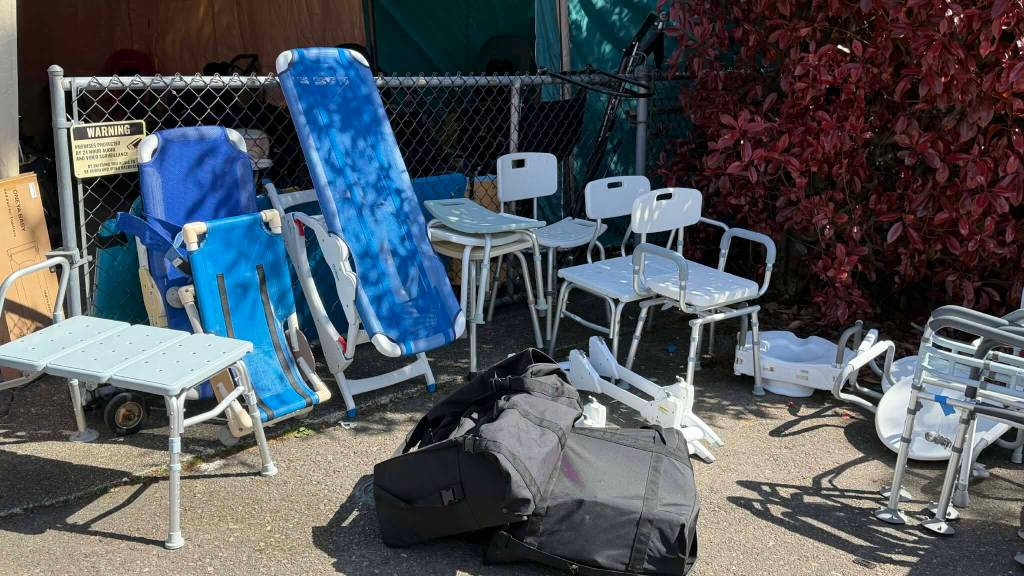
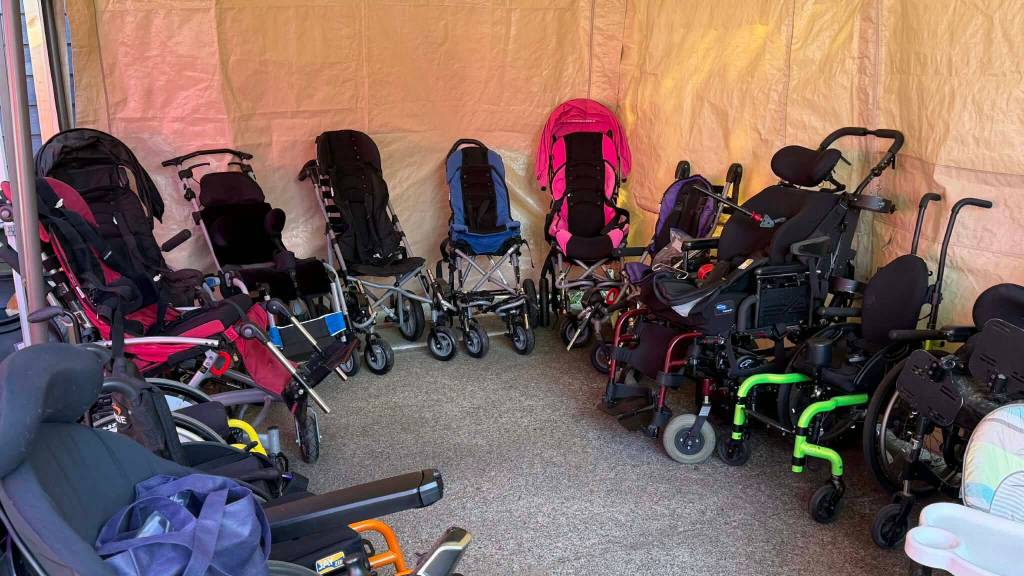
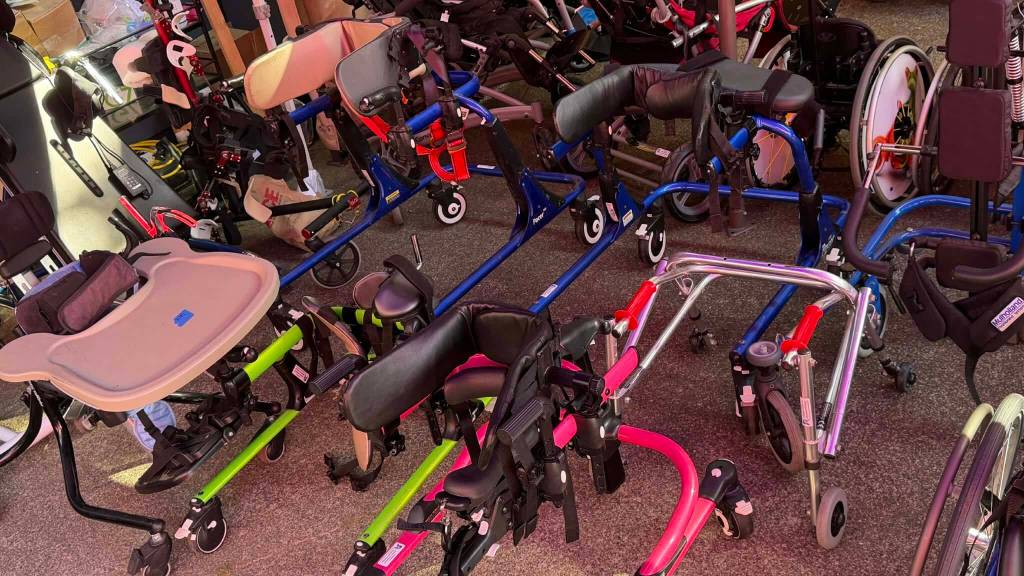

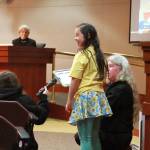
Federal Way resident Andrea Graham held the tenth annual medical equipment exchange on her front lawn on April 18-19, helping over 100 families access supplies in person.
“It’s like a garage sale where no money is exchanged,” Graham said.
Backed by the nonprofit Emma’s Exceptional Equipment Exchange, the event is an opportunity for families to pass forward medical equipment they no longer need as well as access items that would otherwise be out of reach because of cost or insurance coverage.
People also share items such as formula, diapers and other unopened medical supplies. Other examples include wheelchairs, medical beds, crutches, mobility aids, adaptive items and more.
“We see excitement from those that find items they have been fighting to get and relief from those who freed up space from things a loved one outgrows,” Graham shared on social media after the event, adding that “we see people coming to find the things that will make life easier and things that keep their loved ones safe and happy.”
After this year’s event, over 60 families will have medical equipment delivered to them in addition to the approximately 100 families that attended in person.
Supplies will also go to help people outside of the United States, including a hospital in Nigeria. Medical supplies that are heading to a nonprofit in Kent will be shipped to hospitals in other countries, and seven wheelchairs will go to nonprofit Joni and Friends, where they will be refurbished than fitted for people in other countries that don’t normally have access to wheelchairs.
“Multiple local therapy centers and schools came during the resource time on Sunday to take equipment,” Graham said of the event, adding that “other local nonprofits came to get items to share with their communities during our resource time.”
Cases of youth and adult diapers left at the end of the event were given to the March of Diapers diaper bank in Federal Way.
The organization is named after her late daughter Emma, who died five years ago. Emma had high medical needs and Graham learned firsthand what it is like to fight with insurance companies to get necessary equipment covered.
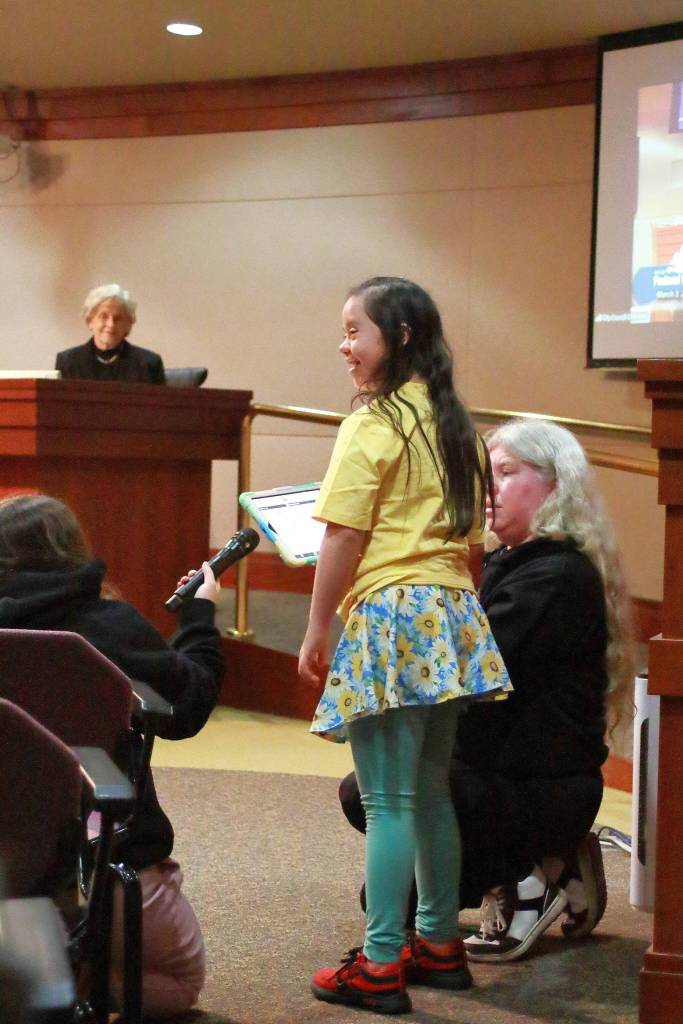
“We started it because our insurance, although we thought it was good … would not approve a medical bed for our daughter Emma. They kept saying it wasn’t necessary and yet she had severe [cerebral palsy] among other things. These things are $10,000. It wasn’t pocket change,” Graham said at a city council meeting presentation on April 7.
When their insurance denied the bed, they came into contact with a family whose child had died and was looking to share a medical bed they no longer needed.
The family also had other pieces of equipment that were not useful for Emma, and when Graham heard they were planning to throw the equipment away, she said, “my eyes grew big and I said ‘heck no, we’ll find a home for these items.’”
From then on, she unintentionally became known as the person who helped distribute unneeded medical equipment in her community. After the project outgrew her garage, Graham and her husband started hosting exchange events.
“We started with 12 pieces of equipment and one six-foot table,” Graham said, and the event has just grown from there.
Disability in general is something that “doesn’t discriminate,” Graham said, reminding the audience during her presentation that everyone could be “one day away from a disability, whether temporary or long term,” because anyone could have a medical issue or accident at any time and end up needing access to these same resources.
“We do these things because we want to carry on our daughter’s memory and because we are passionate about our disability community,” Graham said.
While they love what they do, Graham said that they will celebrate the day it stops being necessary because “families shouldn’t have to be working so hard to get pieces of equipment that they need.”
Other events
In addition to the medical equipment exchange program, the organization also puts on other events throughout the year, including a bike event that provides adapted bikes, and a partnership with Billy Footwear that provides adapted shoes.
They also host a Christmas program focused on supporting siblings in families who have lost a child in the past year, and other programs to help disabled kids in the community access adaptive toys, shoes and bikes.
They also offer “compassionate pickup” to help families pass along medical supplies no longer needed by a loved one who has died.
“My heart grows every single event and I still can’t figure out how that is possible. I am humbled by our community that comes together to share the resources, equipment and supplies with each other so selflessly … if only the rest of the world was watching, because I truly believe the world would be a better place if everyone did the same in all walks of life,” Graham shared on social media after the event.
Graham and her daughter Arianna, who has Down syndrome, also participate in work around the community to spread kindness and advocate for those who are, as they put it, “rocking an extra chromosome.” The duo recently teamed up with Alisha Vilela, executive director of 321 Buddy, to accept a proclamation from the Federal Way City Council recognizing March 21 as World Down Syndrome Day.
The global day of awareness celebrates the lives, contributions and rights of people with Down syndrome while promoting inclusion and understanding worldwide.
Learn more about their program at emmasexceptionalequipmentexchange.org.