Basketball builds better mental health for youth in Federal Way
Published 1:30 am Thursday, June 25, 2026
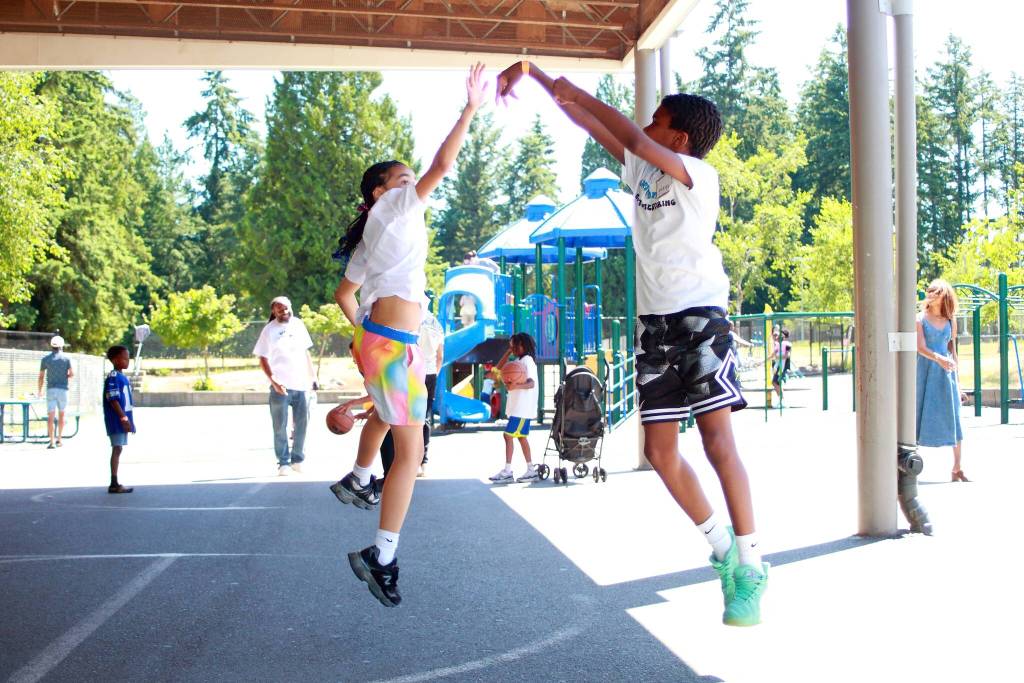
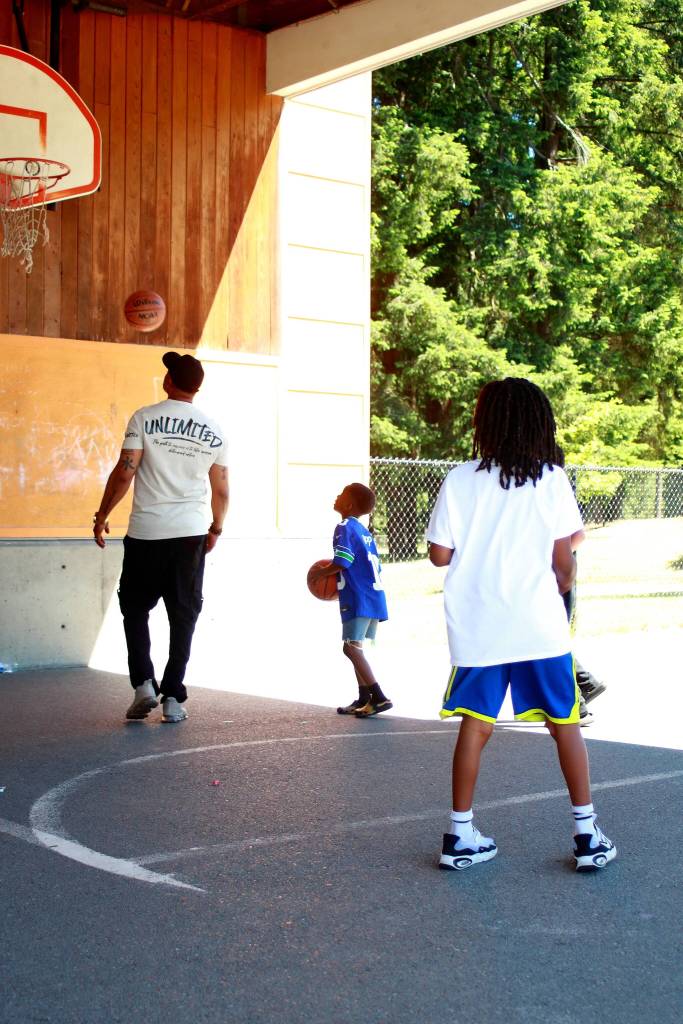
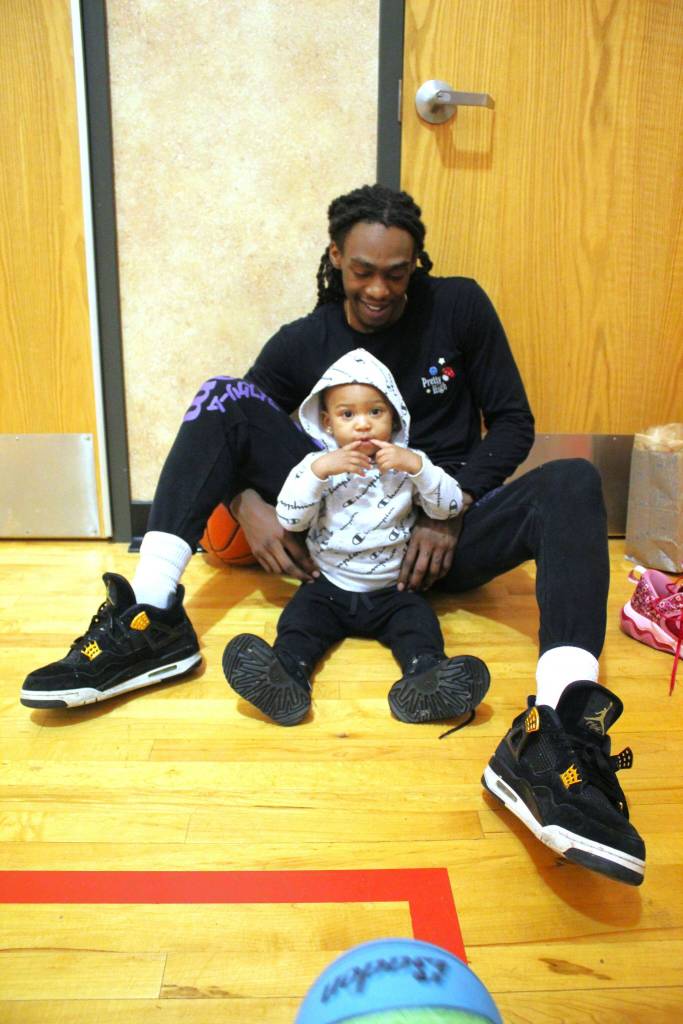
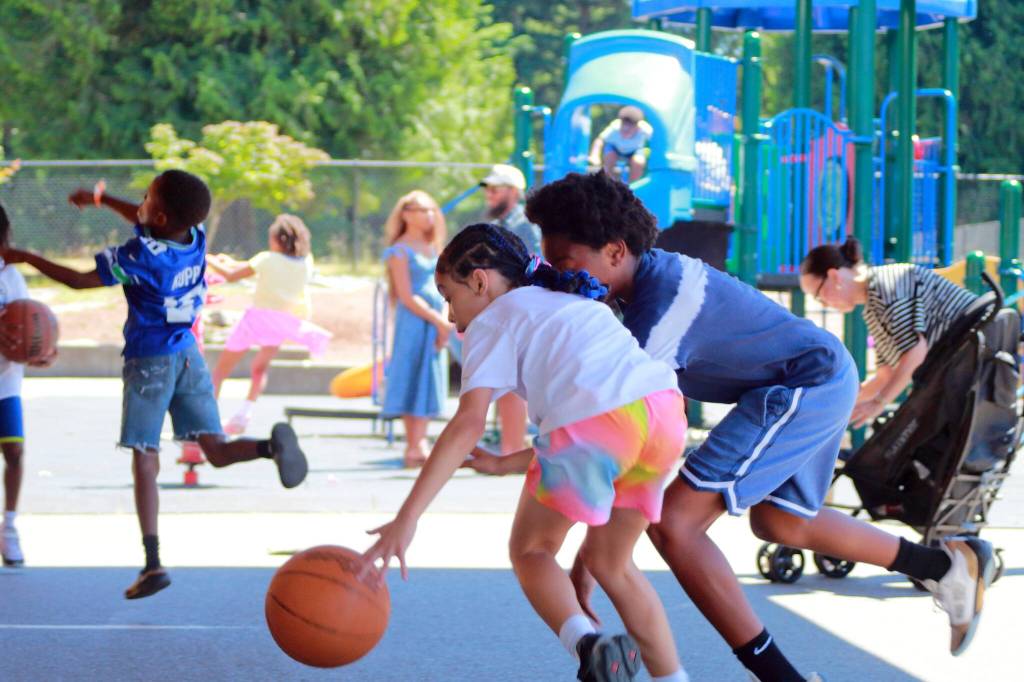
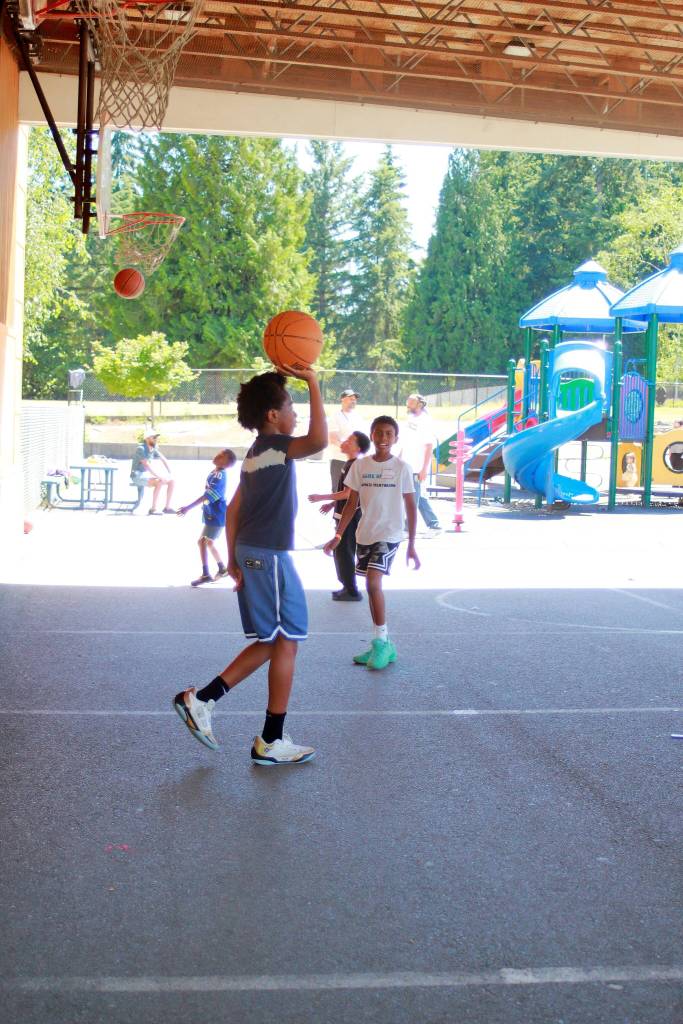


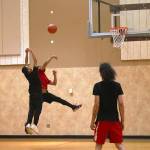
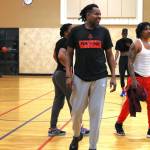

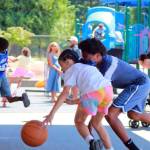
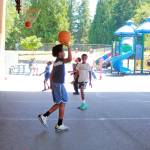
A lot of life can happen on a basketball court. It can be a place to perfect a smooth hook shot, to make friends or even find a career path.
A program in Federal Way is proving it can also be a safe place to build skills around mental health and conflict resolution by helping young people find the support they need to thrive.
To do this, Winston Bell of Game of Life Mentoring (GOL) looks at conflict and violence through a community lens and uses sports as a bridge.
GOL was the first program to come out of the Federal Way Youth Action Team, a collective impact group formed in 2016 to address the disproportionality of Black and Brown youth in the county juvenile justice system and to give young people an alternative to violence.
At the time, the community of Federal Way was facing the challenge of gun violence and had lost several young lives to both interpersonal violence and suicide that year.
“I had a foundation of sports, not just mental health. So I had connections with a lot of young people in the area through sports,” Bell told the Mirror.
Serving those young people, Bell noticed that one issue driving conflict that escalated into violence was a lack of connection and feelings of belonging. He said “this is just people moving from the south end and moving from Seattle, from Tacoma, into a small community and no one knows each other.”
As a family therapist, he saw an opportunity to use sports to both build relationships among young people and also teach conflict resolution skills.
After building trust with young men on the basketball court, there is more of an opening to have tough conversations or teach emotional regulation skills, Bell explained.
“When they first walk in and they’re frustrated, they’re not happy, they’re angry, and then six months later, they’re smiling, they’re laughing, they’re having fun,” Bell said. “When an incident pops up, they’re able to breathe and react differently and feel good and note that they’ve used a different resource to react to their circumstance.”
Over 2,000 young people have now participated in the organization’s programs, with 75% of participants being between ages 12 to 25.
“Life is going to be challenging…the only thing you can control is your actions and your reactions. And what we try to do is to give them the love and the support and increase the tools that they have to respond in a more favorable manner,” Bell said.
Sports by themselves often have a positive impact, but if the focus is solely on performance and not on the person, this can flip and become just another source of stress in a young person’s life.
In a systematic review of sports-based interventions for mental health in at-risk youth, researchers have found that when done right, team sports “contribute significantly to emotional regulation by teaching participants to manage emotions in competitive or high-pressure situations.”
The study also found that “these experiences cultivate adaptability, perseverance, and problem-solving skills, which are transferable to other areas of life, such as academic performance and interpersonal relationships,” and identified “consistent evidence that participants in sports-based programs exhibit fewer behavioral problems, including reduced aggression and defiance, as well as improved classroom behavior.”
On their website, GOL also describes the transfer of life skills from the court, saying “invaluable life lessons are taught through hoop including, evaluating choices (seeing the whole court), understanding consequences, (living with your calls/ decisions), and how to avoid letting your emotions get the best of you in an intense game.“
Sports and exercise in general have long been known to have positive mental health impacts, but evaluating how to use sports to intentionally build life skills is a more recent area of study.
One qualitative meta-study from 2017 looked at studies examining specifically how life skills are built through sports and found that the culture and climate around the activity has a big impact.
Even without pointed conversation about life skills, the way that coaches react to mistakes or talk about teamwork in the context of the sport can help with positive youth development.
The study found that these outcomes were even better when those life skills are developed intentionally.
The study also looked at the impact of taking time to specifically do life-skill building activities, and also transfer activities, where coaches help young people see how lessons from the sport can be applied to their life.
GOL utilizes both these strategies.
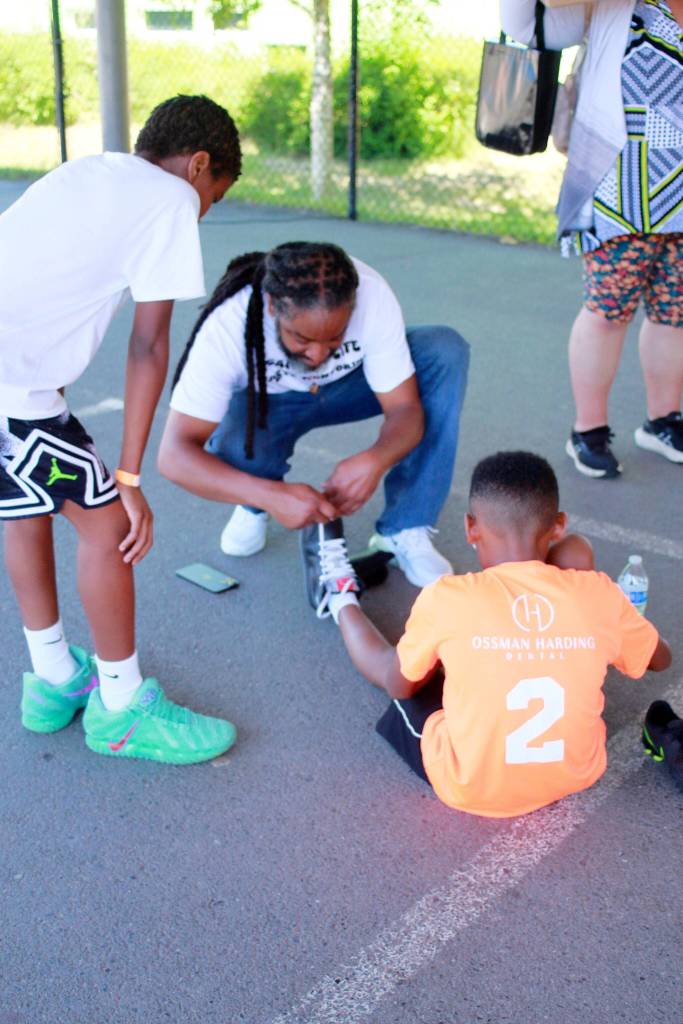
In one program called “Emotional Fitness,” Bell teaches life skills directly to students at six elementary and middle schools in Federal Way.
In this program, students first spend time doing sports and exercising before being led through conversations around topics like resilience and emotional triggers.
Bell said that he has found the students are better able to have these conversations after they have built up a level of comfort through playing the sport – and gotten some energy out.
Pairing the two activities “helps youth open up to receive services, move into employment and ultimately gears them towards becoming successful citizens in their community,” Bell said.
He has now even applied this idea in another way in a program pairing academics with athletics, where participants first spend time playing sports, then work on science, math and reading skills.
GOL’s programs also include practical help with needs like food and employment.
Across GOL’s programs they’ve helped at least 160 participants secure employment including 65 of that 160 who got their first job through the program.
To ensure there is a strong employment pipeline, Bell partners with local trade unions and pre-apprenticeship programs.
While these connections to careers in the trades started with young adults, this year he’s adding a construction program to his work with middle school students to connect them to career paths in the trades earlier.
Bell also uses sports as a bridge toward personal development in other ways. He works with young people to build “player profiles” which are not too different from résumés, then shares them with potential employers.
Bell founded the Washington hub of the organization with Evan Nelson, John Bullard and Reco Rowe and the program has since expanded to Chicago as well. The newest academic officers include Nyles Harris and Charles Jeffries.
Since the beginning it has also expanded the age range served and now has programs for 1st through 5th graders and ages 14 through 26.
The framework of pairing sports with building mental health skills is catching on all over the world.
One program called Afrikala Art in Nairobi, Kenya hosts community sports tournaments centered around basketball that are paired with mental health information booths, peer support and healing circles, on-site medical checkups and blood donation drives and community connection activities.
While programs like Afrikala Art and GOL have seen a lot of success, there are still challenges.
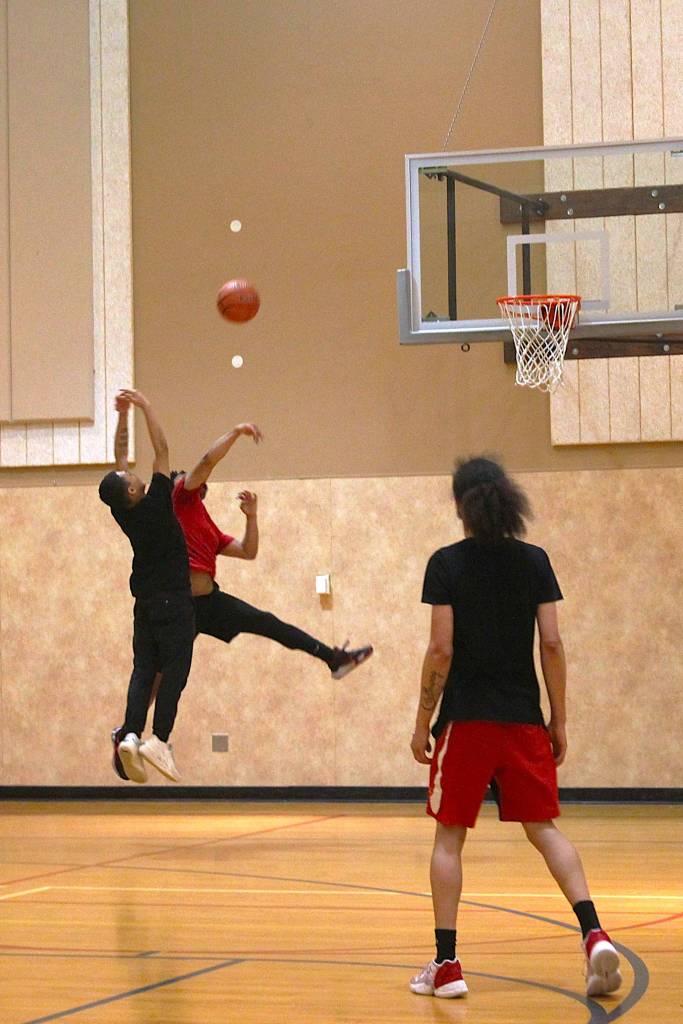
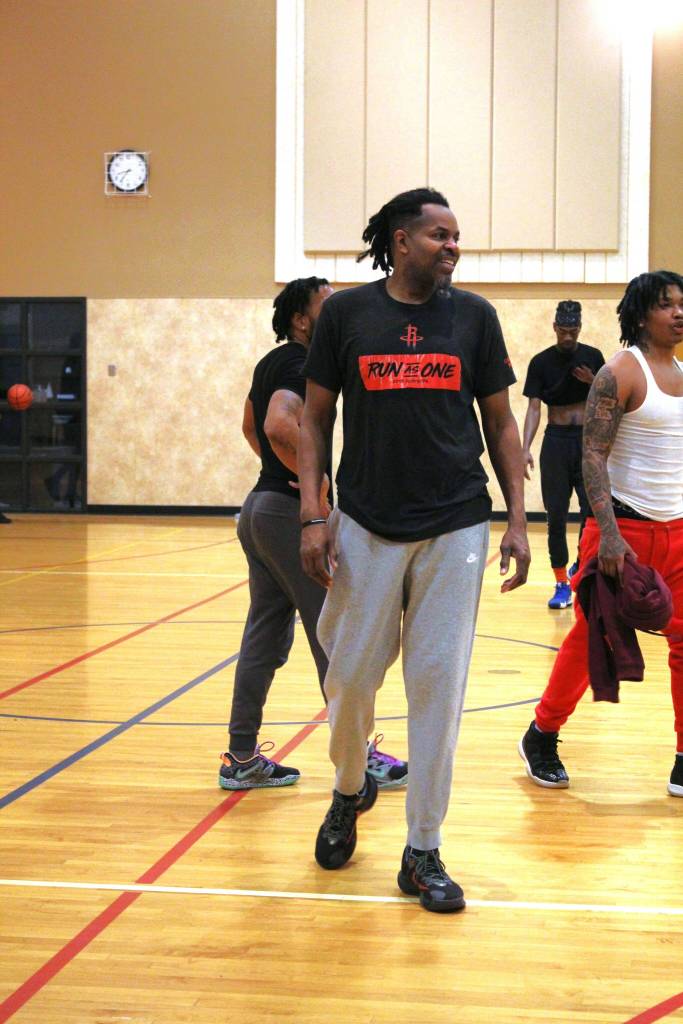
As part of his programs Bell runs a drop-in basketball game once a week that he first started hosting at a local Boys and Girls Club, but he ultimately had to find another location because his program requires some heavy supervision which didn’t fit well Boys and Girls Club model.
He soon found another home for the program at the local Northwest Church that was already hosting something similar.
Sports Ministry is a program that was started by Ron Walker in 2012 and focuses on using basketball to connect with and provide safe spaces to build community and belonging for young Black and Brown men in Federal Way.
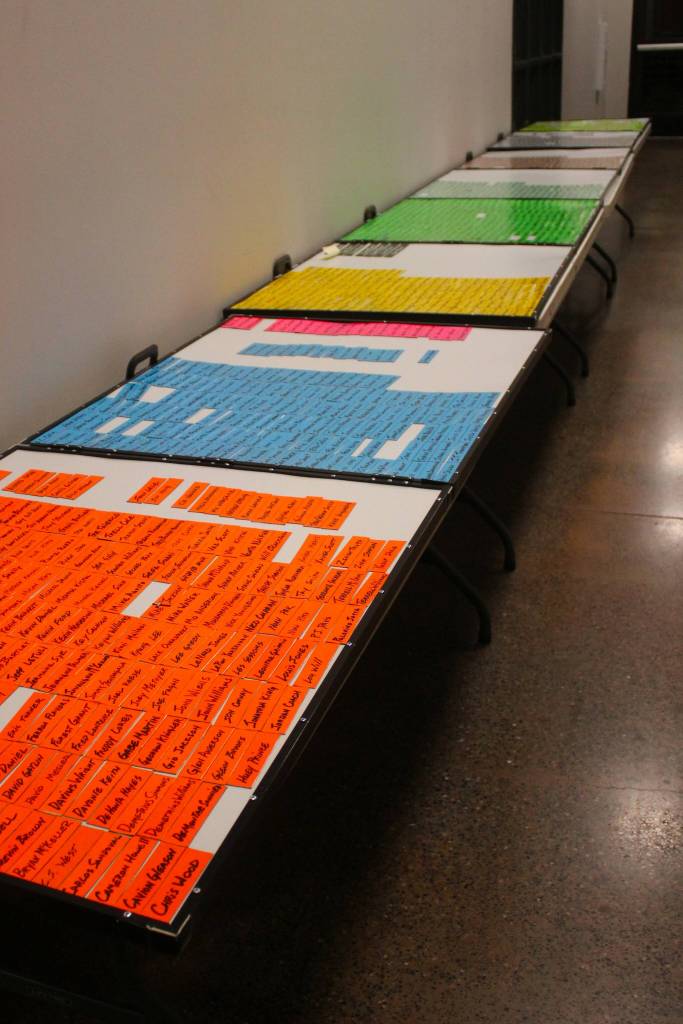
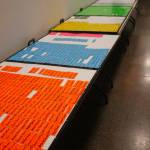
This program has a unique solution for making visitors know they belong by providing everyone who plays a magnetic nametag. The magnets are a practical way to organize who is playing when, but they also let participants know that they always have a place there. The day the Mirror visited the court, one participant had not been by the court in ten years, but walked right in and picked up his nametag.
Sports Ministry also works on building up skills and opportunities for players and serves as a diversion pathway for young people who have become justice-involved.
One mentor in the program, Rock, shared that he believes this type of space would have changed the course of his life.
As a minor, he became involved with some people who had some criminal intentions and one night, he was present when someone was killed.
This led him to spend time in prison and now that he is out, he wanted to help other young people have a different path.
To him, both the problem and solution is having mentors that can help you learn how to gain respect in your community, feel that you belong and show you how to make a living and support yourself financially.
When he was young, Rock said the only people he saw around him that had respect and were making money were those who were doing this through crime and violence. They made him feel like he belonged, but ultimately this had terrible consequences for him and those they impacted.
At both GOL and Sports Ministry, the goal is to create exactly those types of mentorship relationships that can make a positive difference.
The two programs have been sharing space for a few years but Bell said the host location has changed a policy recently to stop allowing food during the drop in basketball games.
Providing free food is an important part of his program, Bell said, so he may once again be looking for a new place for the drop-in games.
His ultimate dream is to open his own location that will have all the resources and space he needs to braid together the sports, employment and mental health aspects of his programs.
They are just two of the myriad of programs in Federal Way that are working to support the wellbeing of youth in the community and while violence and conflict are still present, the city is seeing some positive trends.
In the Healthy Youth Survey of young people in the Federal Way school district, the number of students who reported being in a physical fight in the last 12 months has dropped significantly from 2018 to 2024, going from 28.2% to 15.2% for 8th grade respondents and 20.4% to 9.1% for 10th graders.
Both Bell and Walker say that while their programs have had a big impact, young people in Federal Way are still in desperate need of more free, accessible and safe spaces to spend time.
For now, local organizations are leading the way in creating these spaces, and sports have been one way to help young people work through conflicts and find a sense of connection and belonging in their community.