City’s stance on methanol plant just theatrics | Inside Politics
Published 10:00 am Friday, March 4, 2016
On Wednesday, Feb. 10, Mayor Jim Ferrell called a special meeting of the City Council for Feb. 11 to get comments from Federal Way Citizens about the proposed methanol plant at the Port of Tacoma.
It was smart politics and good theater, but it was questionable governance.
By way of background, Northwest Innovation Works, which is backed by the Chinese government, wants to build the largest methanol plant in the world at the Port of Tacoma. The city of Tacoma has the final say and is the agency responsible for managing the Environmental Impact Statement (EIS). Part of the EIS process is obtaining citizen comment through public meetings. The meetings have drawn huge crowds of Tacoma residents; with the Asarco cleanup still fresh in many residents’ minds, most are in opposition to the plant. We have been told that the water consumption would be significant, but we don’t have too many other facts. The EIS would help provide more information on potential air and wind pollution, land use, transportation, security, public safety and other topics of concern. The EIS would take at least a year to finish, probably longer because the Tacoma City Council won’t want to have this issue on anybody’s radar next year during city elections.
In the press release calling the meeting, Ferrell stated he had already directed the assistant city attorney to go to the Wednesday public hearing in Tacoma the night before the meeting in Federal Way and “voice my administration’s opposition to the construction of the plant.” He further said, “I am closely monitoring this situation and urge officials from the city and Port of Tacoma to reconsider allowing this dangerous facility.” Council members Kelly Maloney and Susan Honda also attended the Tacoma hearing and provided comments. State Rep. Linda Kochmar joined in opposition by sponsoring legislation that would hamper the project.
All this prior to receiving any public comment from Federal Way residents.
The meeting here in Federal Way was attended by about 180 people, with the strong majority opposed. But most of the concerns were based on fear of the unknown. When people don’t have information they are inclined to be fearful. Many residents remember that they have to watch their children carefully as the dirt may still contain remnants of Asarco’s pollution. Others remember the concern of nuclear plants in the Grays Harbor area several years ago. This project rekindles those fears. Certainly citizens’ questions need answers, but are their fears justified? Or possibly premature?
We simply don’t have enough information to be fearful yet. That may come, but now is the time for gathering factual data, which is what the EIS should provide. One of the Federal Way residents who spoke at the Federal Way meeting is the strategic director for the Port of Tacoma. He didn’t allay any fears, but it is helpful to know he was in attendance, was listening and wants to see the same information from the EIS as other residents.
The mayor and council members have received many complaints about the methanol plant, and they played smart politics by siding with the majority against the Tacoma project. Voters will remember that next year, when Ferrell and council members Maloney, Martin Moore and Jeanne Burbidge are up for re-election. Honda could be as well if she decides to run for higher office, along with Kochmar, who is up for re-election this year.
It was good theater and an interesting evening. But was it good governance? Should our government leaders simply pander to our fears and reflect our worries? Or do we expect a more thoughtful leadership model?
There was no need for a special meeting of the council, since a regular council meeting was only days away. But even that was irrelevant as the mayor and council had apparently already decided what their position was, unless the city was somehow caught unaware. And shouldn’t our elected leaders be the voices of calm and reason that give us confidence that they are on top of the situation?
In describing the project, the council resolution used terms like “potential,” verbiage like “could be related to,” “has the potential for increased risks,” “unclear what the exact impacts will be,” and then the key phrase, “Due to the lack of information and the apparent absence of an adequate or transparent process surrounding this proposed project, the Federal Way City Council is opposed… at this time.”
Although Planning Director Michael Morales did attach a series of good questions to the resolution, are you really ready to take a policy position when you don’t have information?
One resident asked Mayor Ferrell if he had contacted the mayor of Tacoma to get information. When Ferrell sidestepped the question the resident asked again, and the mayor admitted he had not contacted Tacoma’s mayor Marilyn Strickland. The council members in Tacoma, of which the mayor is one, are responsible for oversight of the EIS and ethically do not have the freedom to say much about the project while the EIS is in progress. That is intended to ensure fairness. The same rules would apply to our council if the project were here. But that doesn’t preclude Mayor Ferrell or his staff from reaching out to obtain basic information.
Federal Way has previously needed the support of regional leaders like Mayor Strickland on issues, such as Sound Transit, and it will again. At a minimum, our leaders should have have given her a “heads-up” that Federal Way would be opposing a project in her city. How would our elected leaders feel if the situation was reversed? And was the line in the resolution accusing Tacoma of the “apparent absence of an adequate and transparent process” helpful in gaining Tacoma’s cooperation on this or future issues? Recently there was an opening on the board of Sound Transit. It went to the mayor of Auburn.
The methanol project has now been put on “pause” while the sponsors consider their options. Opposition from thousands of people in Tacoma probably had more effect on the decision then Federal Way did. But it was heartening to see so many residents interested in public policy and regional relationships.
A resolution crafted a little differently, a phone call made at the right time and more time devoted to determining facts might have achieved the same goals at the following week’s regular council meeting. But if the real goal was local political gain in preparation for next year’s elections, then maybe the goal was met. But is that how decisions should be made?
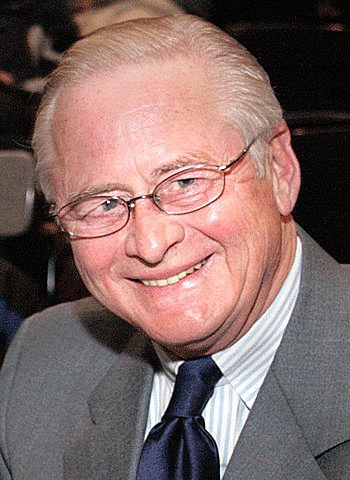
Federal Way resident Bob Roegner is a former mayor of Auburn: bjroegner@comcast.net