Scrap Happy Kitchen is coming to the Federal Way Farmers Market
Published 4:05 pm Wednesday, October 15, 2025


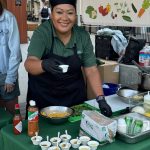
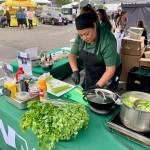
Why would a family of four throw away an average of $3,000 worth of edible food a year? For the same reason that half a million tons of uneaten edible food were sent to the landfill in Washington state in 2022.
Reducing wasted food can stretch grocery budgets and have a positive impact on the environment. The challenge is that it often takes creative thinking and careful planning to reduce food waste.
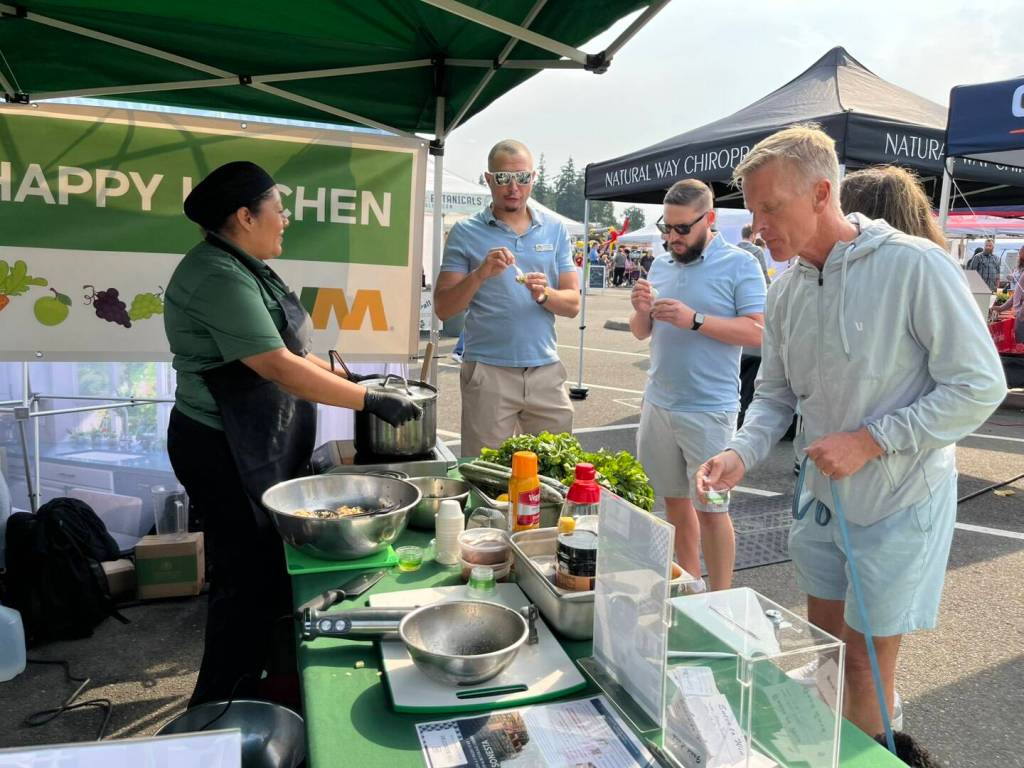
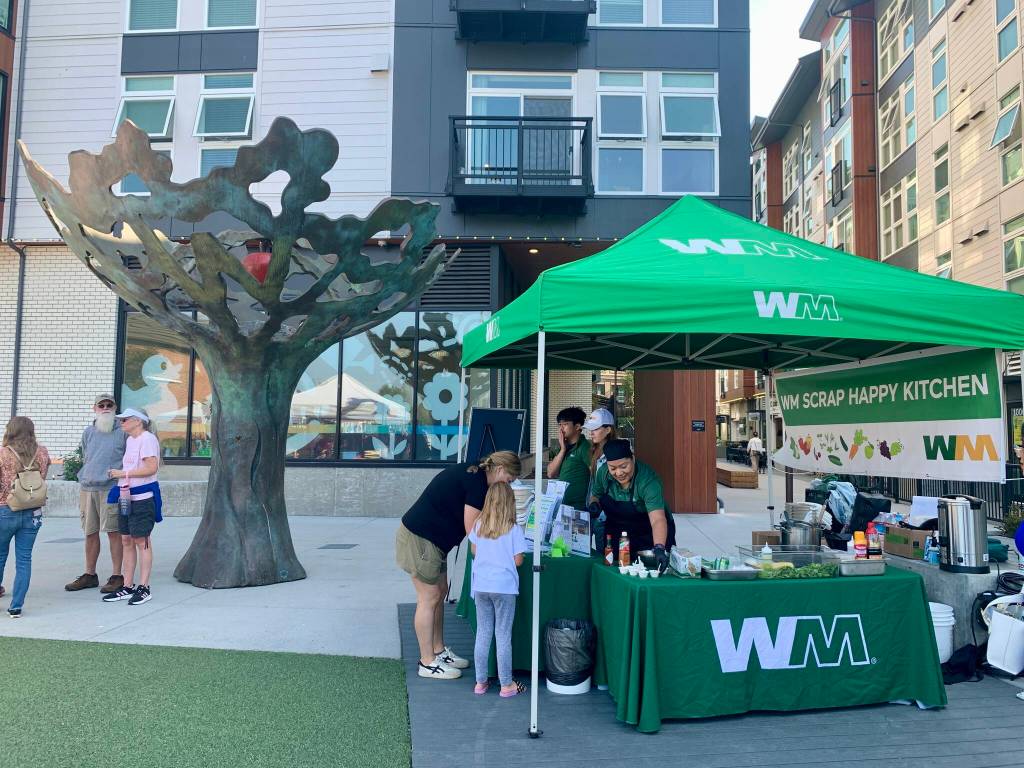
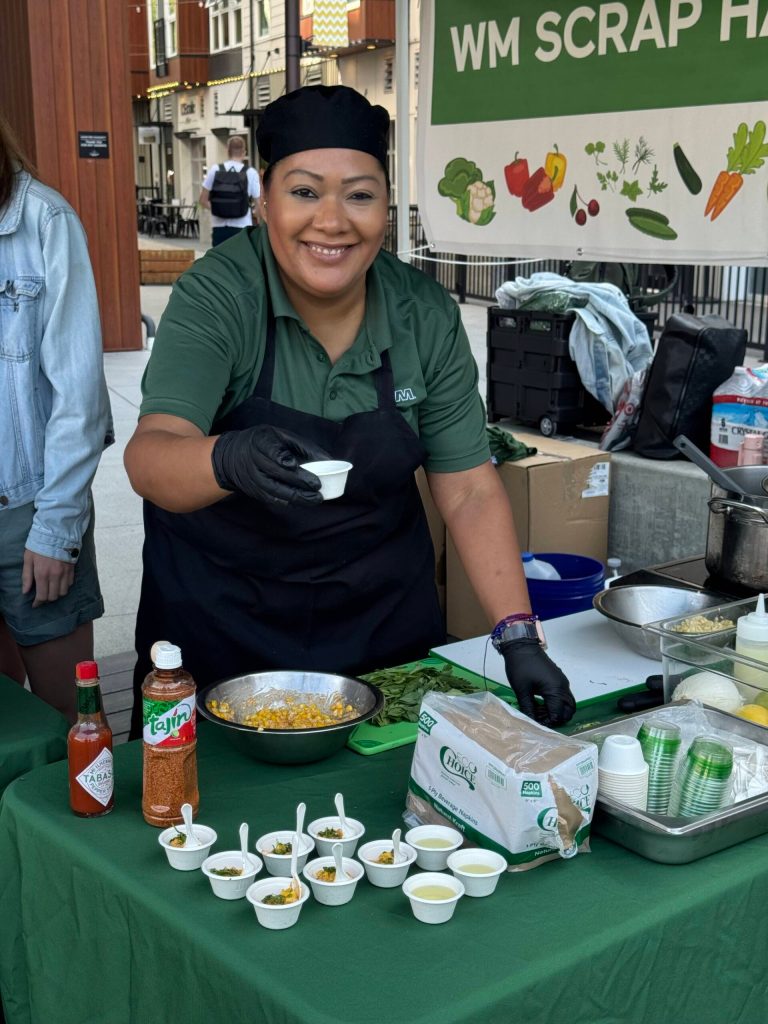
On Saturday, Oct. 18, Chef Martha Gamboa will be demonstrating techniques for food waste reduction at the Federal Way Farmers Market through an activity called Scrap Happy Kitchen. She and local waste experts from Waste Management (WM) will share their tips and tricks during the market’s open hours from 9 a.m. to 3 p.m. in the south parking lot of the Commons Mall, located at 1701 S. 320th St. in Federal Way.
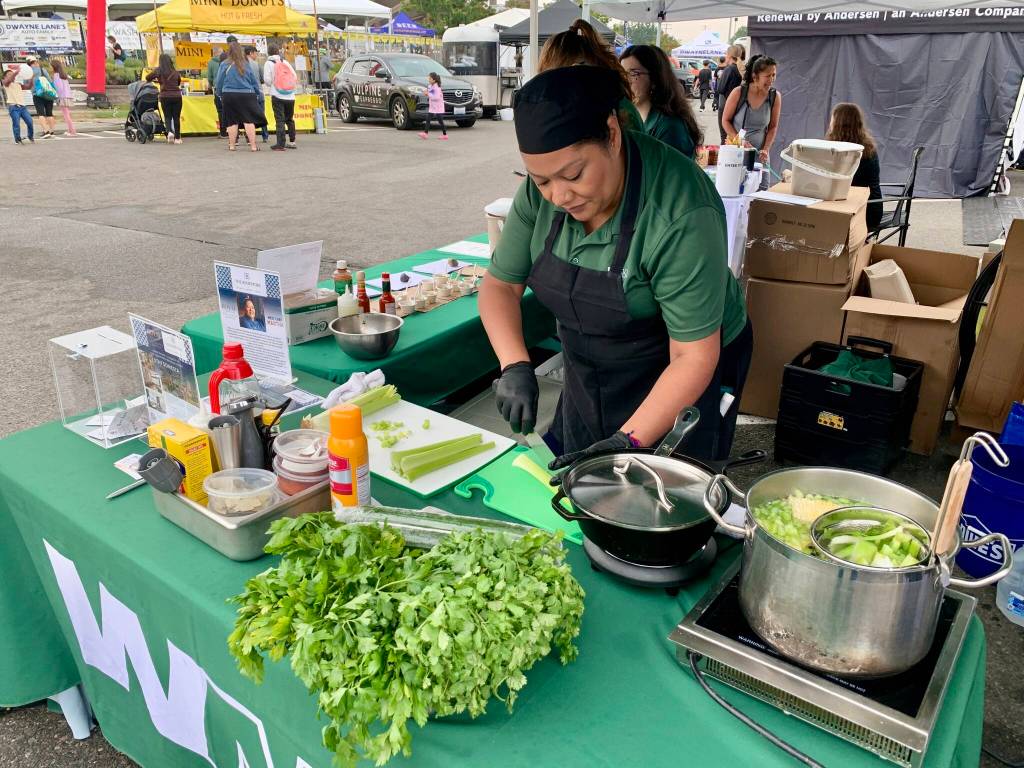
Community members are invited to experience a live cooking demonstration of how to create a simple, waste-free, vegetarian dish using produce and the most frequently tossed food items — then taste-test the final product.
Federal Way will be the fifth in a series of six demonstrations this year around the region. At a recent demonstration, Gamboa “prepared Mexican street corn, then used the leftover corn cobs, cilantro stems and other scraps to make a hearty vegetable stock,” according to a press release.
While Gamboa likes to tailor her tips to individual conversations, some of her common suggestions include using citrus peels or wilting mint leaves to create simple syrups, reusing quinoa or grains cold in salads, and making sure to plan ahead when buying quantities of ingredients that don’t match the recipe.
People often don’t realize how much food they are wasting, or how often they are not actually putting food scraps into the correct bin.
At her demonstrations, Gamboa puts out two bins, one for compost and one for the landfill. Despite telling guests at the beginning that everything she uses will be compostable, guests still drop items into the landfill bin out of habit, she said.
Gamboa noted that “food costs keep going up” and that because “people are feeling a little more of a pinch in their pockets,” she’s been encouraging people to be more conscious of what they are purchasing.
“See what sort of things you can kind of reutilize — not once, twice, but maybe three times before you decide to throw that into your compost bin,” Gamboa said.
She explained that most people will eat their leftovers for two or three days at most before they throw them out, but that there are ways to repurpose or preserve things so that they can stretch longer than that.
Joel Kohlstedt is partnership manager of waste reduction and innovation at WM, and works with King, Snohomish and Spokane counties on innovative waste reduction programs like the Scrap Happy Kitchen.
Kohlstedt used the example of putting wilting spinach into the freezer before leaving town to use later. With that scenario, Chef Gamboa added the tip of blending the spinach with coconut milk to make a sauce and freezing that.
In cities like Federal Way, many people are disconnected from where food actually comes from. It takes a lot of resources to grow, harvest, process, transport, sell and prepare food — only for about 25% of what consumers buy to go unused, Kohlstedt said.
“A really tangible way to look at that is that if you walk out with four grocery bags, you basically are just putting one straight into the garbage, or hopefully the compost, but still you’re not even going home with it, which is a lot of wasted resources and the environmental impact from that,” Kohlstedt said.
Their goal is to connect with people to “get them to think about it a little bit differently and not just view this as, ‘Oh, it’s garbage now,’ but instead, we can use this again or we can use it in a different way,” Kohlstedt said.
One way to help people think differently is to have those in-person conversations about how they use food. Some common barriers to actually using everything in all four grocery bags are a lack of planning, misunderstanding date labels, improper food storage and a lack of experience or knowledge in how to use and reuse foods and scraps.
WM’s community engagement events will also have tools and resources to help with food waste reduction and composting, like scrap bins, food storage guides, and WM staff to help answer questions.