Suicide prevention: ‘Shedding light on a dark place’
Published 1:30 pm Friday, September 26, 2025
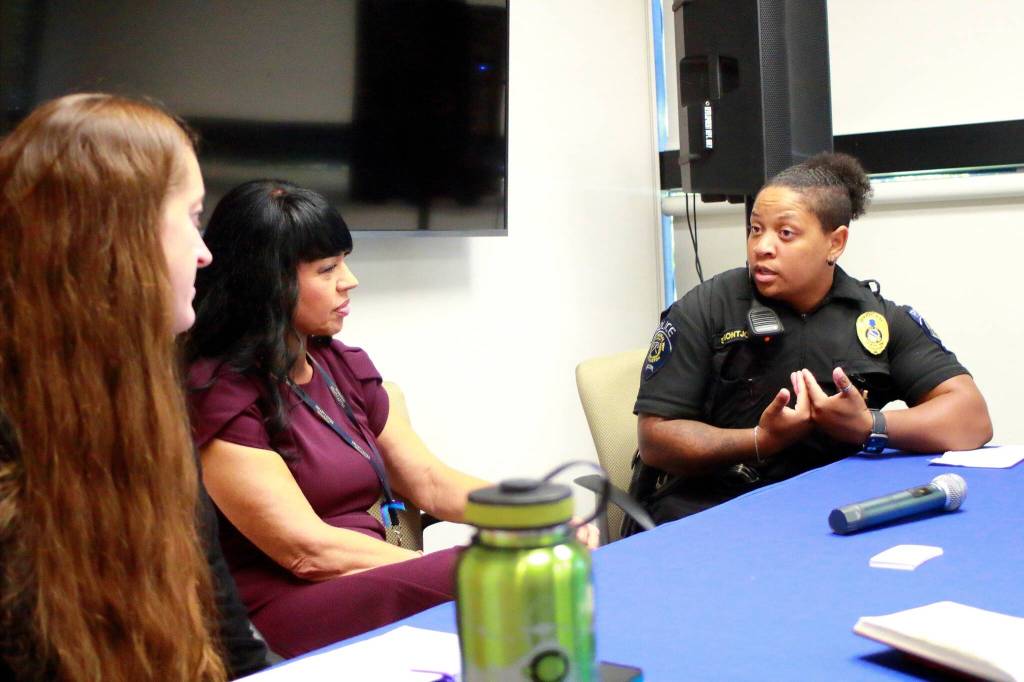
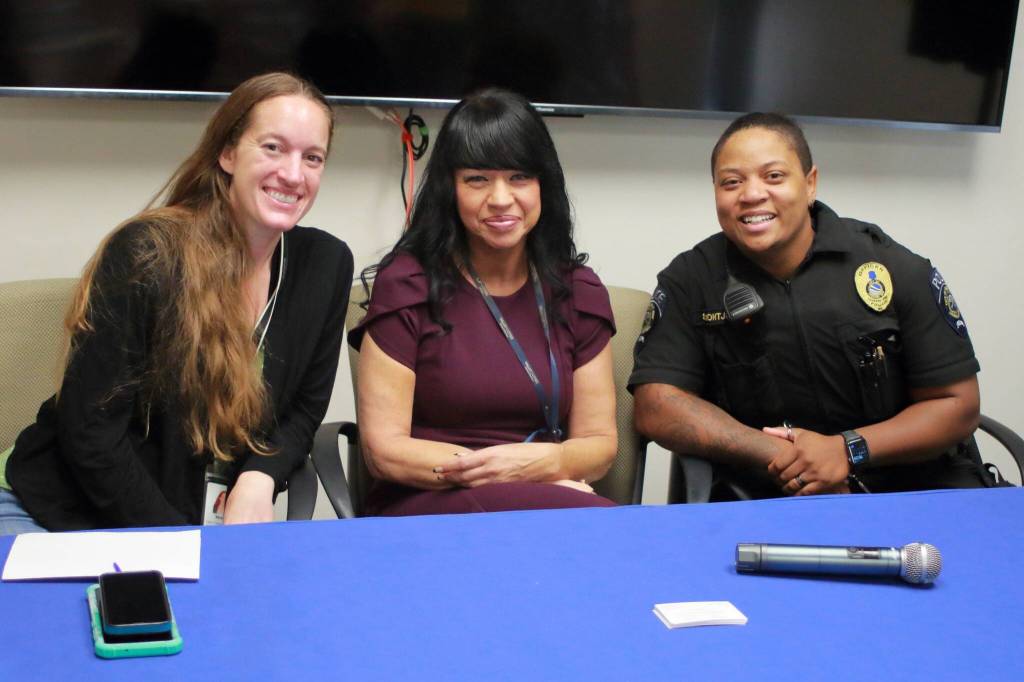
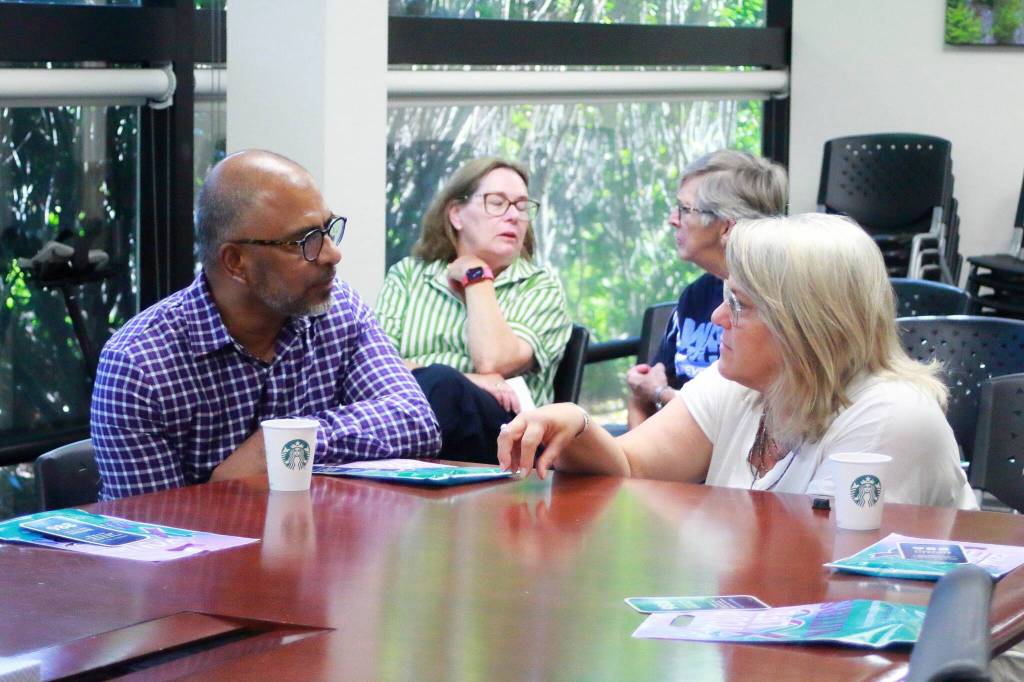


Valley Cities Behavioral Health staff hosted a suicide awareness and prevention conversation with a Federal Way police officer to discuss the issue with community members on Sept. 17 at their quarterly coffee chat.
The Valley Cities speakers included Jessica Rosado, manager of the daytime crisis team, and Teri Hardy, director of Recovery Place Kent. Officer Sarah Montjoy represented the Federal Way Police Department.
One important resource is the free and confidential 24/7 lifeline 988, which can be accessed through calling, texting or chatting.
All three speakers said their number one piece of advice to reduce suicide is to talk about it.
“If you talk about it, you’re not going to cause it,” said Hardy, when asked about the biggest myths she wants to bust around suicide.
Hardy said that “people think that you’re going to put the thought in someone’s head,” but that “what you’re really doing, if you talk about it, is you’re shedding light on a dark place.”
Even with this reassurance, suicide can be a hard topic to bring up. Hardy is one of the trainers for the free mental health first aid class that Valley Cities hosts, and in those classes they actually practice talking about the topic.
“One of our activities in that class is to say the words, ‘Are you thinking about suicide? Are you thinking about killing yourself?’” Hardy said, explaining that it is important to actually practice saying the words out loud.
Just as CPR and first aid certifications like those provided by Red Cross help people learn to respond to a physical health emergency, mental health first aid classes teach people actionable steps they can take to react to and help someone in a mental crisis.
“It’s very difficult to say those words to someone a lot of times because you are afraid of the answer,” Hardy said. “But if you don’t ask those questions, you’re not going to know exactly what that person is feeling. And a lot of times, if a person is feeling that way, it’s a relief to be able to talk about it.”
Peer support at the FWPD
In her role as a peer support officer, Officer Montjoy encourages members of the police department to get comfortable both asking and answering hard questions.
Part of her role is to work on lessening the stigma of struggling with mental health that happens in the police force.
“Even when I started five years ago … I felt that way,” Montjoy said. She was struggling, but said she was worried that if she talked about her mental health, she might be passed up for promotions or not get chosen to be a backer on a call.
Thankfully that stigma is “slowly changing,” Montjoy said, but that “the hardest part is just getting stubborn police officers to understand that they can ask for help.”
This is especially important because one national study found that police officers are 54% more likely to die by suicide than those in other occupations.
This shift is in part to the work she and other officers are doing around the country as peer support officers and programs that proactively connect with first responders after they deal with a traumatic event on the job.
Officers will typically witness many more traumatic incidents in their lifetime than the average person, Montjoy said, and it is important to deal with the impacts of that rather than pretending not to be affected by it.
As one of the six peer support officers in Federal Way, Montjoy will get called out when there are particularly traumatic incidents, like the death of a child, for example, and “just pull those officers aside” to check in with them.
She also leads defusing and debriefing sessions after such incidents. Officers will have a discussion in a circle about any recurring memories or anything that is affecting them.
“It used to be no officers would say anything, no one would talk about anything. And now it’s to the point where we’re sharing,” Montjoy said.
Talking about the after effects of trauma, and challenges like depression and anxiety, can help an individual and those around them.
“It’s showing understanding to the people around us, but also for us to understand, like, why am I behaving that way?” Montjoy said.
While the stigma around mental health in the police force often comes from a fear that having struggles makes them weak or not fit for their role, Montjoy said in her experience, the opposite is true, and that getting support has made both her and others better able to show up and be the best officers they can.
The ability to get resources to someone in a crisis is part of Valley Cities’ response as well. Jessica Rosado leads the four-person daytime crisis response team.
When they get a call about someone in a mental health crisis, they start their response by assessing the severity of the danger and determining an appropriate response.
“Sometimes next steps are safety planning with us and maybe a call from us later that day or the next day, and sometimes it’s assisting folks in making their way to the emergency room,” Rosado said.
After sharing insights into their own roles around suicide prevention and awareness, the conversation opened up to broader community questions. Many asked about how to deal with suicidal ideation or risks in specific groups, like men and teens.
Much of the challenges that men face are similar to those in police officers, including a reluctance to talk about mental health problems or get help due to a fear of seeming weak, the speakers said. This means solutions can also be similar and having support from people similar to them or those they look up to can be helpful.
For teens, Rosado recommended adding suicide to the list of “awkward conversations” to be had with your kids.
Valley Cities also offers a specific mental health first aid training led by teens, for teens, so they can learn how to respond if they see concerning signs in their peers.
While many resources do exist, Hardy said, “I think we all see the resources for young people has lessened. There’s not enough resources, and that’s inpatient, outpatient. There are still facilities, and there’s still agencies, but it’s lessened quite a bit.”