Progress Pushers helps motivate Federal Way’s youth
Published 1:11 pm Monday, July 6, 2026
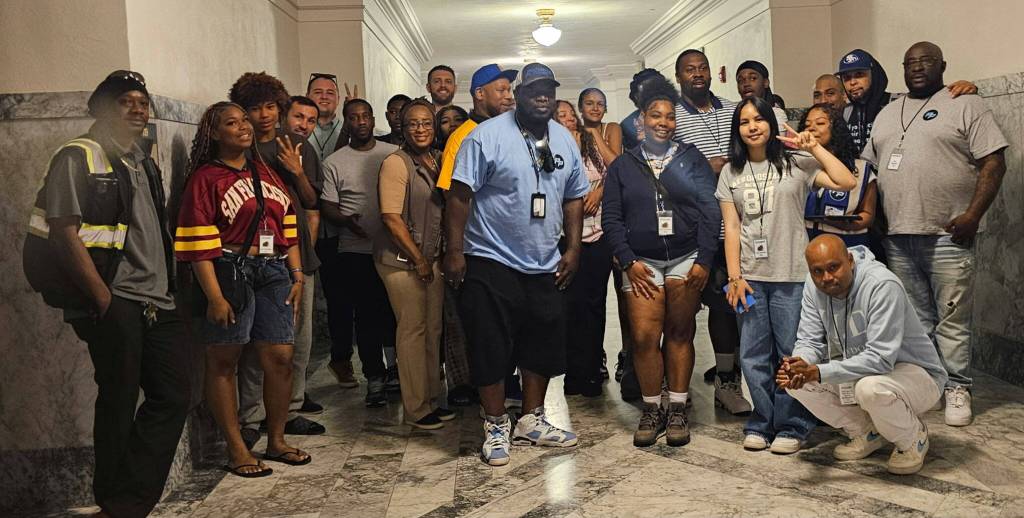
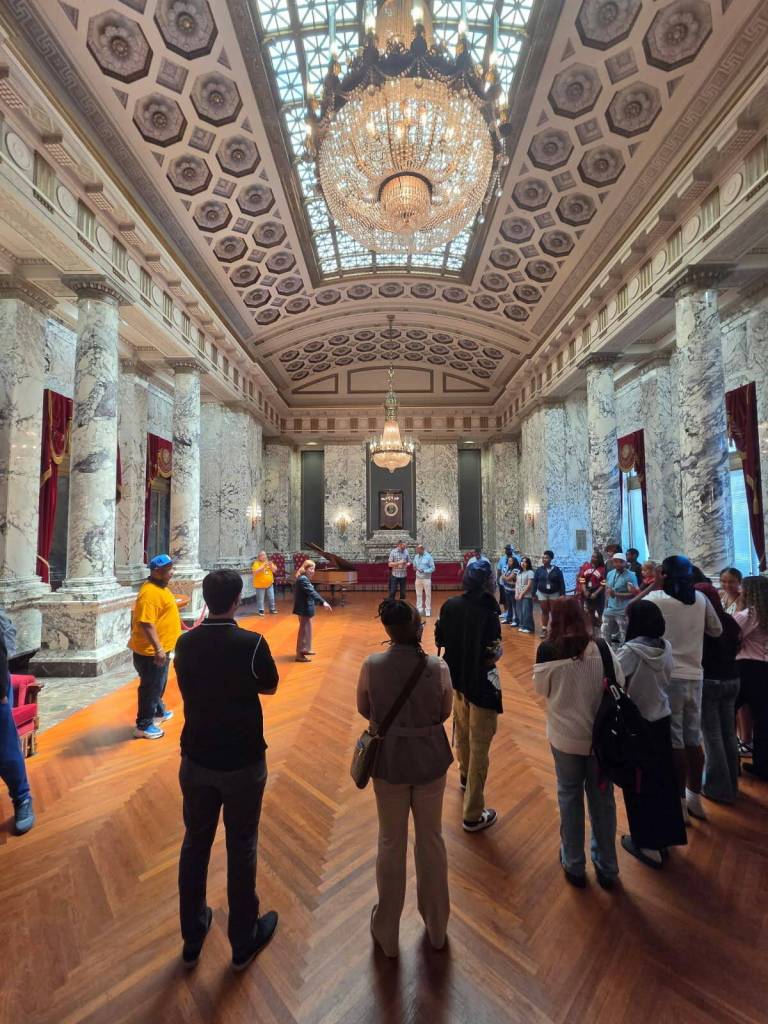
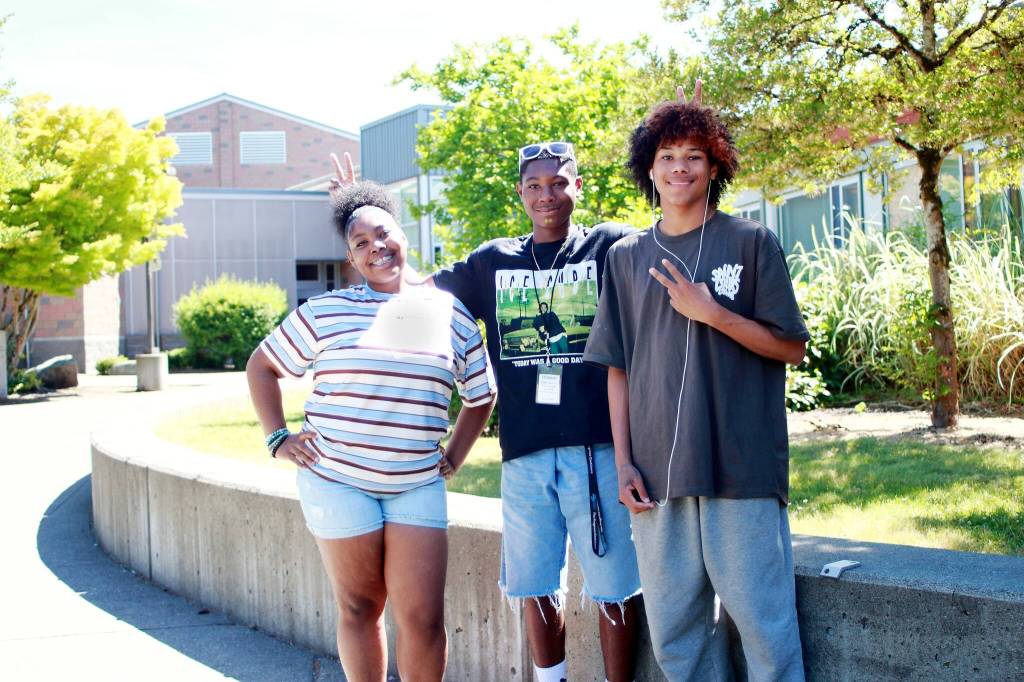
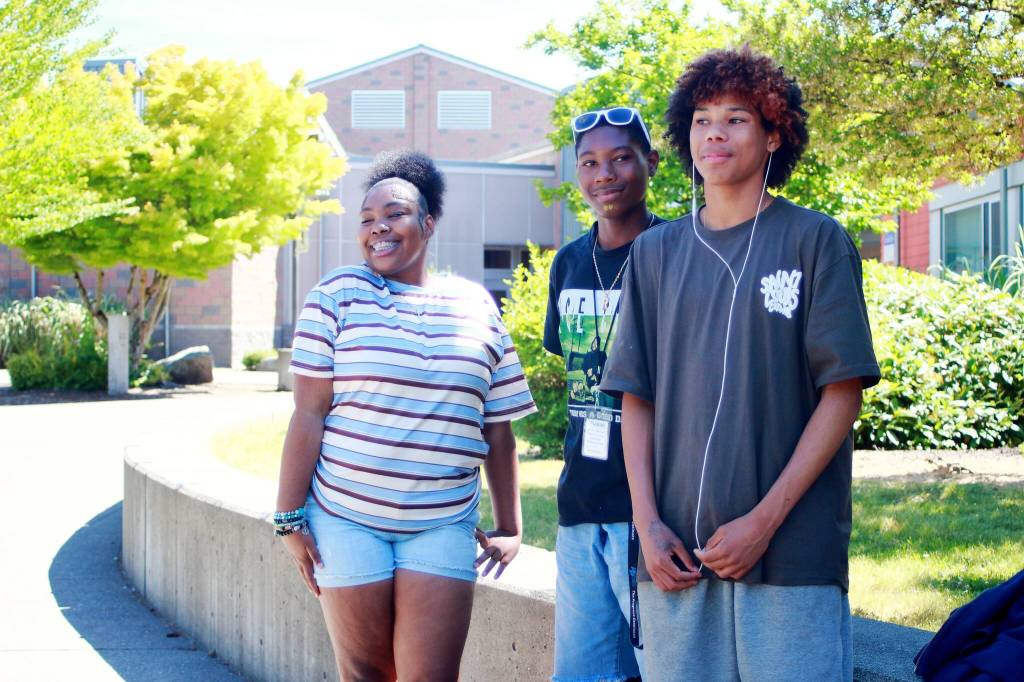


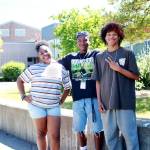
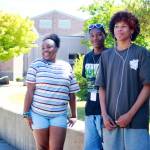
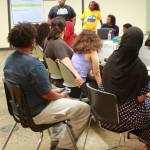



On her first visit to the Washington State capital, high school student Mi’ona was surprised to find out that legislators “really want younger people’s opinions.”
The visit was part of a field trip organized by nonprofit Progress Pushers, which is one of the nonprofits leading the way for youth civic engagement and community violence reduction in Federal Way.
The youth got an in-depth tour, participated in a mock trial and learned how they can participate in shaping the future of the state, including through the Legislative Page Program.
Another student, Roland, said if he could tell state leaders one thing, it would be “to expand Progress Pushers, because instead of locking up the youth, they try to help them do better.”
Civic engagement and leadership development are one of the many tools that Progress Pushers and other youth programs in Federal Way are using to improve youth mental health and reduce gun violence and substance use.
Progress Pushers focuses on “system impacted youth”, which often means those that have already experienced interactions with the “legal/injustice system.”
Most of the staff at the organization, including the Founder and Executive Director Eddie Purpose, have served time.
He and the other staff are all trained as Credible Messengers (CM). They focus on intervention to help young people change course away from criminal or harmful activity, their work includes “preventative measures to help participants begin to understand more about themselves, their futures, and purpose in life.”
The Credible Messenger Mentoring Movement began as the Arches Transformative Mentoring Program in New York and has spread across the country.
The organization that leads it today defines CMs as “community-rooted leaders who have successfully navigated their own prior involvement in the justice system, share similar life experiences with the people they serve, and are poised to have a healing, restorative, and transformative impact on an individual, family, community, and systemic level.”
Purpose became a certified CM trainer, and now uses their framework to provide the 40-hour training to his staff and other community members to better support the youth they serve.
In 2025 alone, Progress Pushers served 226 youth, supporting them in accomplishing 183 goals and helping 57 of them gain employment.
This CM-led program for youth includes four phases of curriculum which culminates in a civic engagement project that they present to local elected officials.
In the civic engagement project, young people identify a problem in their community, then research and present solutions to those challenges. Some recent examples from past cohorts include gun violence, fentanyl use and homelessness.
While the result of these programs is a diversion from harmful activities and an increase in public safety, young people in the program are not seen as a problem to be dealt with but instead young people that “have what it takes to be the leaders we need in our communities” and just need assistance to “look inward, tap into and bring out their inner brilliance.”
Civic engagement and leadership opportunities are a way to give young people a sense of belonging, inner agency and a sense of their own power that can help protect them from harmful groups or activities that could give them similar feelings.
One of those young people is 20-year-old Ismael “Izzy” Holmes.
On a sunny Saturday in March, Holmes spent the day bussing hours from his home to Federal Way for his first public speaking opportunity, where he shared some motivational words and performed a new song.
He’s recently started a new job, is an active board member of Progress Pushers and is working on getting his driver’s license and a car.
Four years ago at age 16, Holmes was facing charges for Robbery 1 and Possession of a Firearm.
After he got arrested, a CM from Progress Pushers met him at his home.
“He walked into my house after I got arrested and changed my whole life,” Holmes said.
He explained that he made these negative choices because he wanted to belong.
“I got bullied my whole life, I wanted to fit in, I didn’t have the confidence,” Holmes said.
Through his involvement with the organization he was soon learning to plan initiatives to give back to his community and solve problems. He also completed his 1 year of probation with no violations and was able to wipe his record clean.
More than that, he found his voice and his leadership skills.
“They’ve been helping me express that leadership for myself…they really put the future in the youth’s hands,” Holmes said.
“Once you come here, you’re going to feel like they’re part of your family,” he said, adding that “this is not just for kids who have had something happen, it’s for every kid or person.”
Research on the impacts of civic engagement on mental health and as a diversion strategy is relatively sparse, but a meta-analysis of the existing research published in the Journal of Youth Studies Fenn, N., Sacco, A., Monahan, K., Robbins, M., & Pearson-Merkowitz, S. (2024) found that it “has shown benefits that merit further investigation, particularly for young adults.”
Some studies showed a positive impact on mental health from civic engagement, but depending on the approach, it can also have negative repercussions.
For groups who are already impacted by societal systems, like the young people who participate in Progress Pusher’s programs, civic engagement can be a “valuable tool to consider promoting among those coping with adversity or systemic forms of oppression,” their research found.
“In the face of tragedy, loss, or chronic illness, civic engagement may be a buffer against feelings of hopelessness while bolstering resiliency and social connectedness” and “at other times, civic engagement may be useful as a tool to combat social injustice, consistent with critical consciousness theory, which describes how oppressed people learn to analyze social conditions and devise ways to change them.”
Their research found that especially for communities of color, “activism can be simultaneously empowering and stressful.”
Many of the young people in the program have already experienced tragedy, loss, trauma or systemic injustice and racism.
One young man in Federal Way recently shared that at the age of 18, he has already lost 14 friends or family members to gun violence, including both interpersonal and suicide.
2016 and 2017 saw particularly high rates of gun violence in the community. School weapons incidents hit a high of 73 or 3.17 per 1,000 students in 2017, which was double the state average.
It then declined through 2024 to a low of 47 or 2.19 per 1,000 students, according to a report on the risk and protection profile for substance abuse prevention in Federal Way.
Arrests for violent crime of young people in the community between the ages of 10-17 have also gone down, from 52 in 2017 to 34 in 2024 according to the same report.
Suicide attempts also seem to have gone the opposite direction, with 12 reported in 2017 and 47 in 2023, although 2024 reported less than ten.
Importance of support
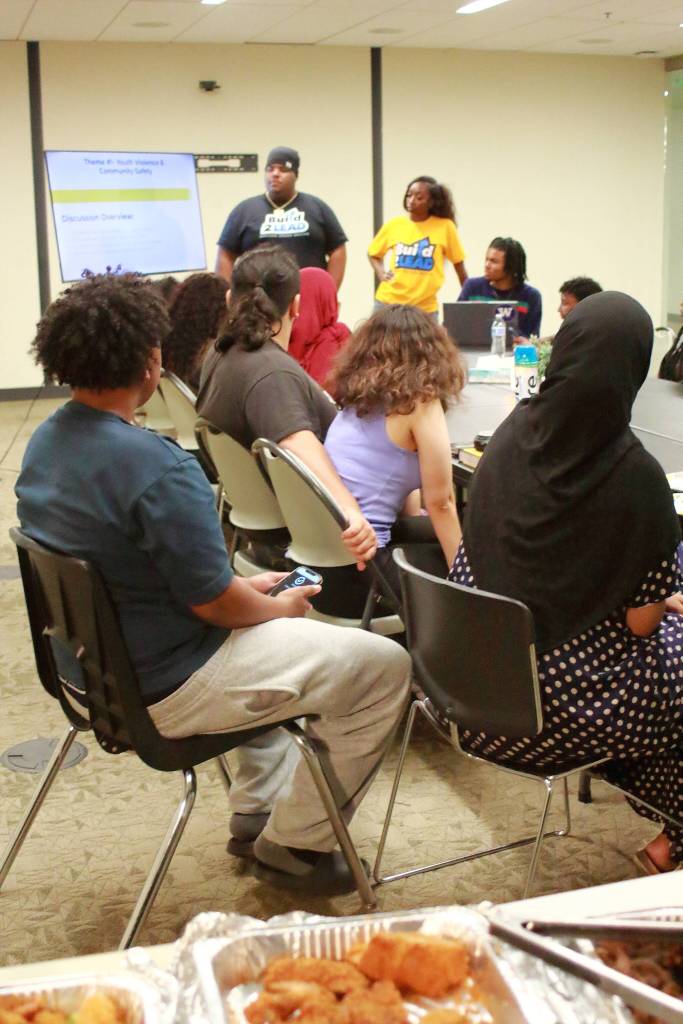
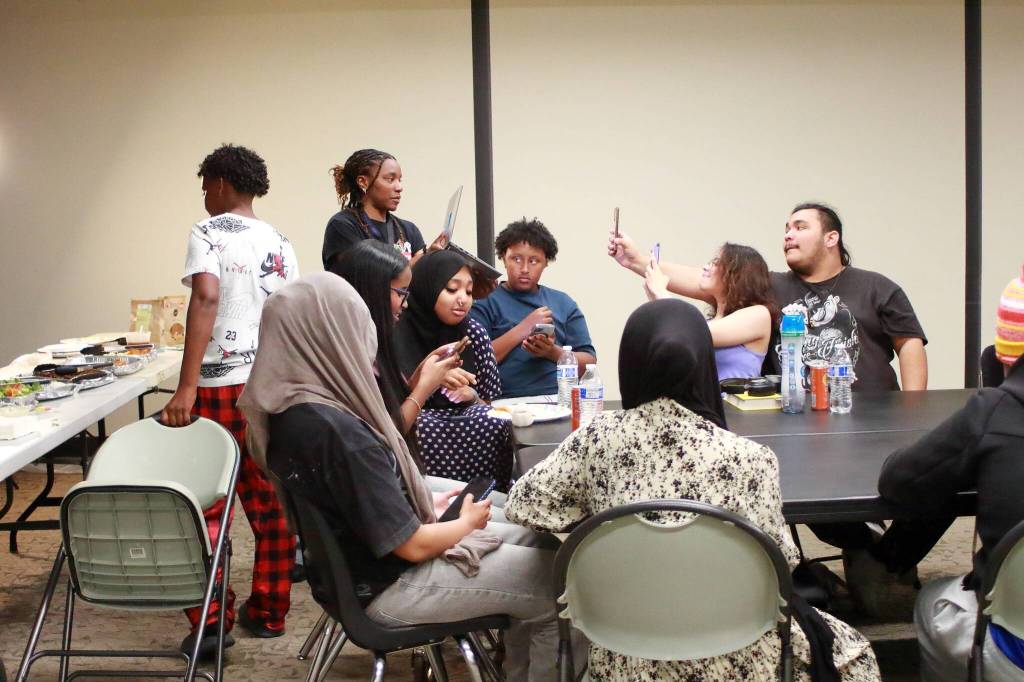
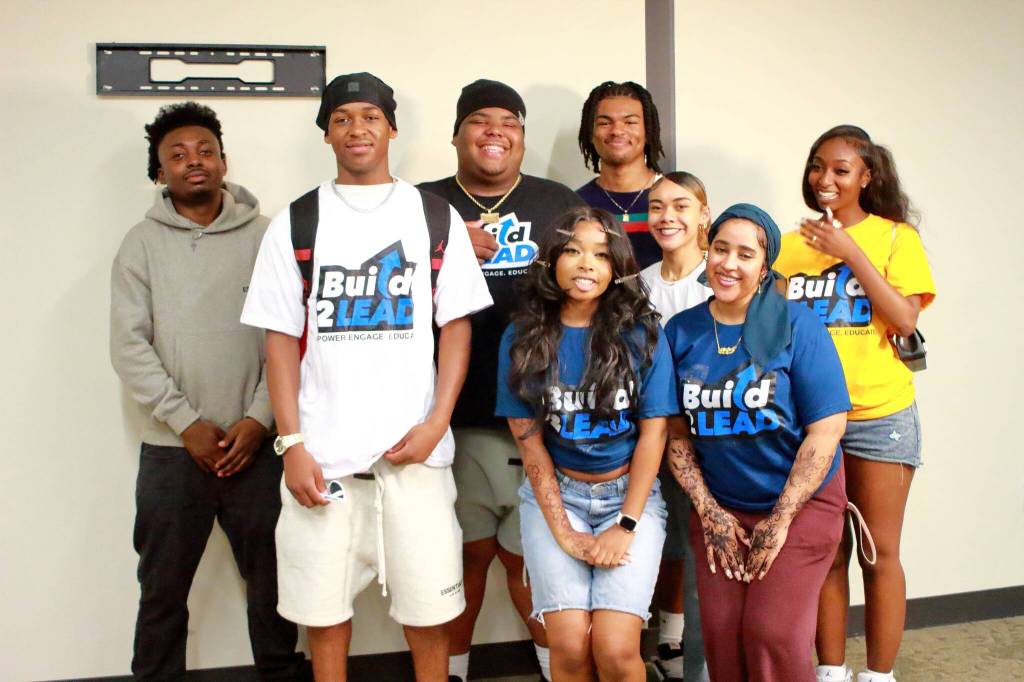
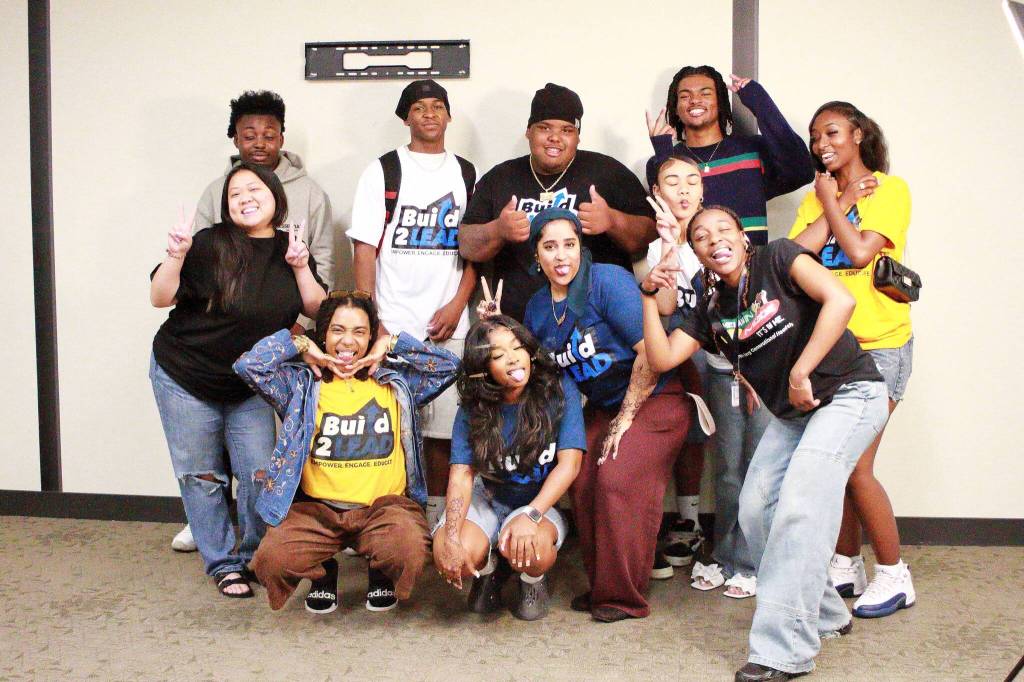
Another local group in Federal Way called Build 2 Lead also has programs focused on civic engagement for Black and brown youth and intentionally builds in buffers for these potentially negative impacts of civic engagement.
Build 2 Lead’s Civic Champions program is paired with wellness initiatives because “civic engagement often surfaces lived experiences with injustice, trauma, and systemic harm,” as the program states in its outline.
To support young people in this experience, they provide safe spaces to process emotionally charged topics and monitor stress, attendance, and engagement indicators.
They also offer case management and referrals when civic content intersects with personal trauma and support youth navigating housing instability or justice involvement.
Youth reflections and facilitator observations found that youth in these programs experienced “increased confidence speaking on social and political issues,” a “stronger sense of personal agency and responsibility” and some even took the initiative to “take action beyond the classroom.”
Local infrastructure for youth engagement
One reason these civic engagement programs are successful in this area is because of the local civic infrastructure for youth and the openness of local elected officials to engage.
On their visit to the capital, Progress Pusher students learned about the Washington State Legislature’s Page Program which provides hundreds of students from across Washington the opportunity to take part in the legislative process and watch the Legislature and other branches of state government in action.
Pages are sponsored by legislators and serve for 1 week during the legislative session, “learning about the legislative process while distributing materials throughout the capitol campus, assisting offices, delivering messages, working on the chamber floor, and carrying the flags at the opening of each day’s legislative session.”
Emmanuel Mwangi is a freshman in Federal Way and in a recent interview for a spot on the city’s Youth Commission, he shared that his civic engagement experience began in this Page Program.
“I got to meet a whole bunch of other kids that inspired me to be who I am today. They showed me a perspective that I’ve never seen before, not just in Federal Way, but seeing kids all across Washington being able to put their minds and solve problems and trying to change our world for the future really encouraged me,” Emmanuel said.
The purpose of Federal Way’s Youth Commission is to “afford an opportunity for youth to engage with and learn about local government” and “serve as an advisory body to the city council.”
Just as civic engagement can be a tool to build a sense of belonging for young people, that sense of belonging is also essential for engaging civically in the first place.
For Emmanuel, being part of the Black Student Union at his high school and being in a diverse community both gave him the courage to try out the Page Program.
He first moved to the United States from Kenya at age five, and his first experience was isolating.
“I went to California first and to be honest it wasn’t very diverse. I didn’t always feel I had a place or I didn’t always feel included and I just shut myself out or chose to stay quiet,” Emmanuel shared.
“Coming to Washington, especially Federal Way, seeing other people like me and just seeing other people that are open to listening to my ideas and my opinions,” was a whole new experience for him.
After their visit to the capitol, Progress Pushers participants Mi’ona, Roland and Thomas all told the Mirror they plan to apply for the Page Program and now have a deeper understanding of how to make change, make their voices heard and how their government functions.