New sales tax in Federal Way is one council vote away
Published 8:00 am Saturday, March 28, 2026
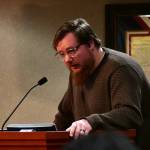
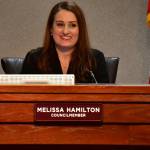
At its March 24 meeting, the Federal Way City Council has voted 6 to 1 to approve the first of two steps to implement a public safety sales tax in Federal Way.
The final vote and enactment of the ordinance is on the agenda for the April 7 council meeting.
This sales tax is related to HB 2015, a state law that introduced two funding sources to support criminal justice and public safety in local jurisdictions across the state. One funding source is a state grant, while the other is an option for the city to enact a 0.1% sales tax.
Grant
The first of the two funding sources is a grant. The city has already applied for the grant related to HB 2015.
This grant focuses on staffing and training of law enforcement. Specifically, it can be used to hire new entry-level law enforcement officers and support co-response teams, including peer counselors and behavioral health professionals. It can also cover required training, including crisis intervention and trauma-informed practices and/or support community outreach and broader public safety response efforts, according to the Washington State Criminal Justice Training Commission.
Federal Way Police Chief Andy Hwang has stated that the police department doesn’t necessarily need to fund new positions and would instead use these grant funds for retention bonuses for current officers in order to remain competitive with other cities.
“Police cost is only going up and it’s very competitive right now … other are agencies trying to take our experienced officers with $50,000 bonuses being offered by agencies just all around us. So it’s pretty competitive today,” Hwang said at the Parks, Recreation, Human Services and Public Safety Committee meeting on March 10. That’s where the retention bonus comes in, Hwang said, and the FWPD has asked for $900,000 in their grant application to fund the bonus.
Sales tax
The sales tax related to HB 2015 is an option for cities to implement a 0.1% sales tax within the city.
If implemented, the revenue from the new sales tax can be used for broader uses. Specifically it can be used for criminal justice purposes that substantially assist the criminal justice system, such as domestic violence services, public defense, behavioral health response, diversion and reentry programs. It can also go toward other efforts that strengthen community safety and the justice system, according to the Washington State Criminal Justice Training Commission.
So far, Federal Way plans to use these funds to “absorb escalating personnel, equipment, technology and operational costs within police, prosecution and municipal court functions,” according to a city memorandum.
Out of that city’s current 10.3% sales tax, only 0.85% currently goes directly toward the city of Federal Way’s budget.
This would bring the city’s total sales tax up to 10.4% and the share going to fund the city budget up to 0.95%.
In total, this sales tax would bring in $1.5 million this year, which would fill the budget gap in the city.
Council discussion
Of the seven council members, only Council President Susan Honda voted against the sales tax in this first round of voting.
The main reason the council is considering implementing the sales tax ahead of this year’s full budget evaluation is because the city’s revenue is not trending to hit budget goals and looks like it will hit a $1.5 million deficit.
This level of deficit means that the city may need to cut staff and services. Typically, the city will cut budgets to the police department last, meaning any cuts would most likely be made to other departments. The police department already takes up half of the city’s entire budget.
During the council discussion, several council members asked which services specifically the city would cut, but that hasn’t been discussed yet.
Several public commenters expressed opposition to the public safety sales tax, highlighting the other challenges faced by the community currently.
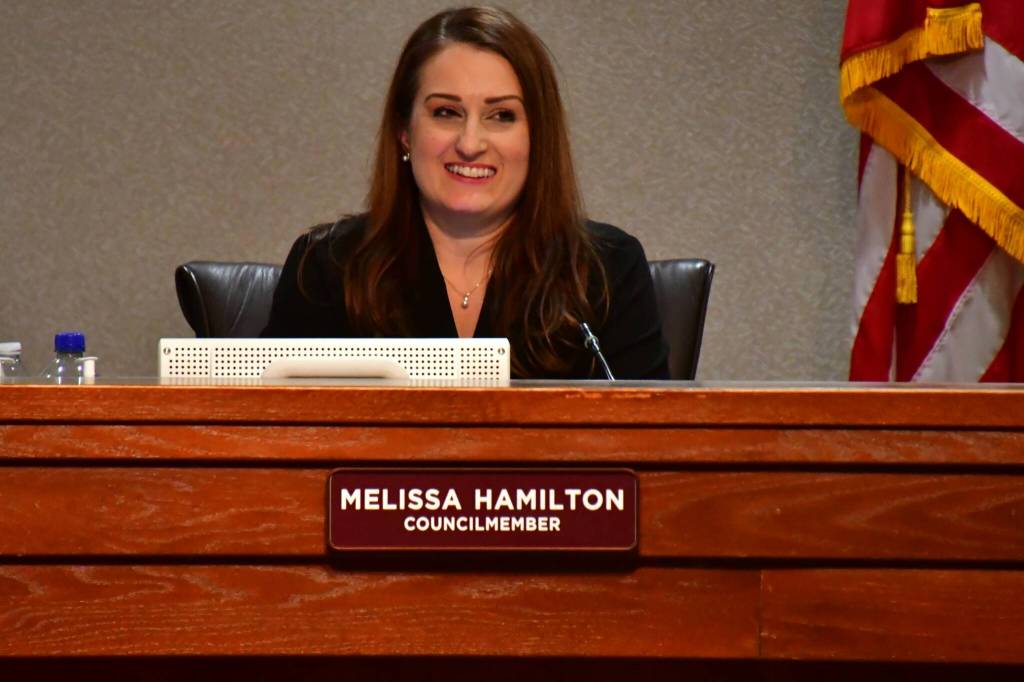
Councilmember Melissa Hamilton noted that she sees this tax as unique because it will “broaden who contributes to public safety” because it won’t only be paid by Federal Way residents, but also by those who visit the city, including commuters and regional shoppers.
“People who benefit from our public safety are going to be paying into this system and help share with the cost. I think that is more fair because we all benefit from public safety,” Hamilton said.
She also noted upcoming criminal justice costs that the city will have to cover due to a policy decision levied by the Washington State Supreme Court to reduce public defender caseload standards. This means that the city may have an increased cost when it is required to pay for more public defenders in order to meet those caseload standards.
Councilmember Les Sessoms said that “public safety is a very broad term and members of the community deserve to feel safe and secure,” and that because the money can be used in a variety of ways including mental health and diversion programs, he agrees that “we can and should go after this money while it’s on the table and not let it get away, especially going into a a tough budget cycle like I’ve been hearing.”
Councilmember Lydia Assefa-Dawson noted that she wants to see the funds go toward mental health response, domestic violence, homelessness and other public safety supports that are not within the police department’s duties.
Honda said her main concern is that it isn’t clear what city programs, staff or services would have to be cut if the tax is not implemented.
“My concern is I don’t know what we will be cutting from any programs in the city if we don’t pass this … we’re in our last year of our budget, and I would like to know what cuts we would be making in 2026 if we don’t pass this,” Honda said.
Honda, as the single no vote on the issue, said: “It’s not that I don’t support public safety and our courts. It’s because I want to hear from the people who live here in in Federal Way and I want to hear how it’s going to impact them” before she makes her decision.
Revenue sources
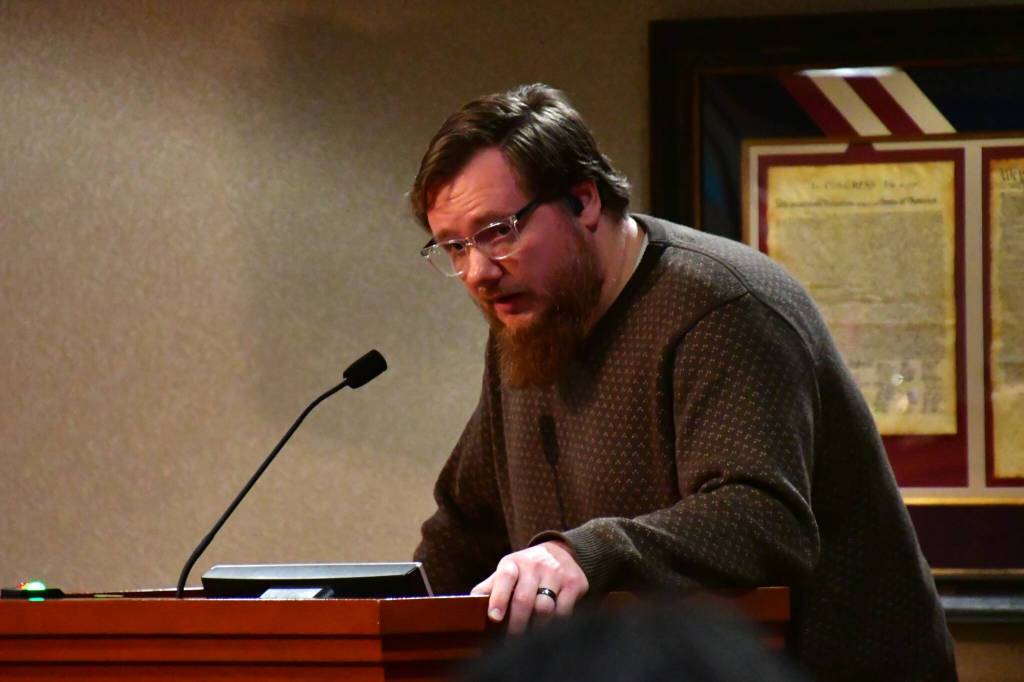
Public commenter Nathan Orth also brought up the suggestion of installing more red light cameras in the city rather than implementing the sales tax, which he noted is regressive, impacting the most vulnerable in the community the most.
Orth suggested several locations in Federal Way that see regular fatalities for the expansion of this program, explaining “that way, you’re targeting people whose behavior can be moderated and you’re targeting these deadly crashes, rather than targeting the poorest people in our city.”
There are also several other types of taxes that do not contribute to Federal Way’s budget, but are in common use in other nearby cities.
Two examples include business and occupation (B&O) taxes and allowing the sale of cannabis within the city. For a comparison, nearby Renton has a similar population and brought in about $45 million through its B&O tax in 2024 and received $269,075 from the Marijuana Excise Tax.