30th District legislators’ town halls cover budget, taxes, immigration
Published 5:47 pm Tuesday, March 3, 2026
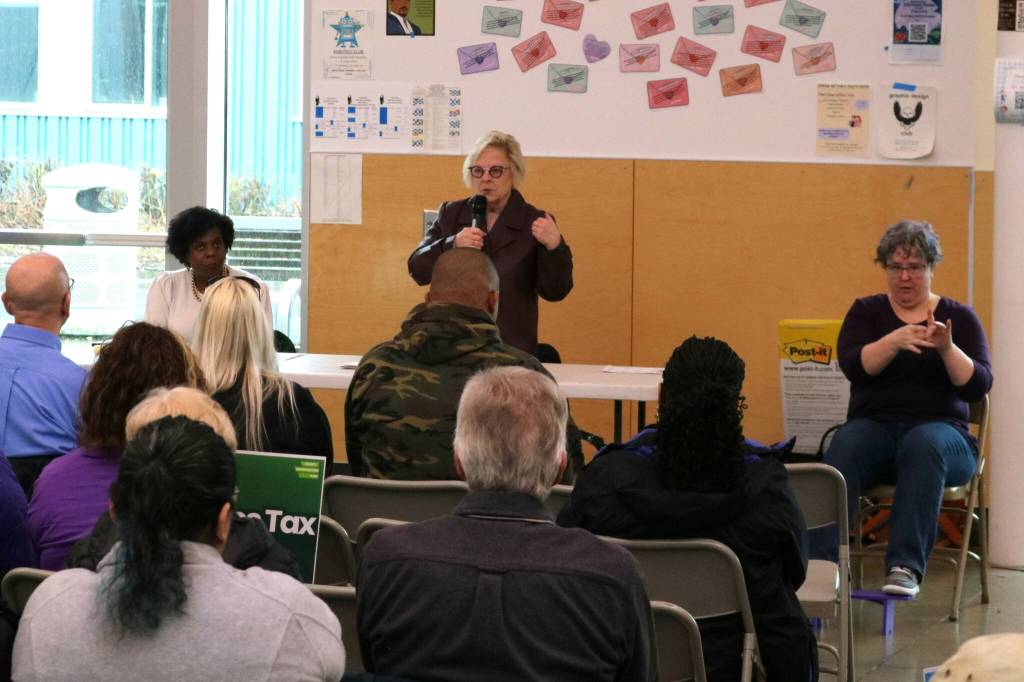
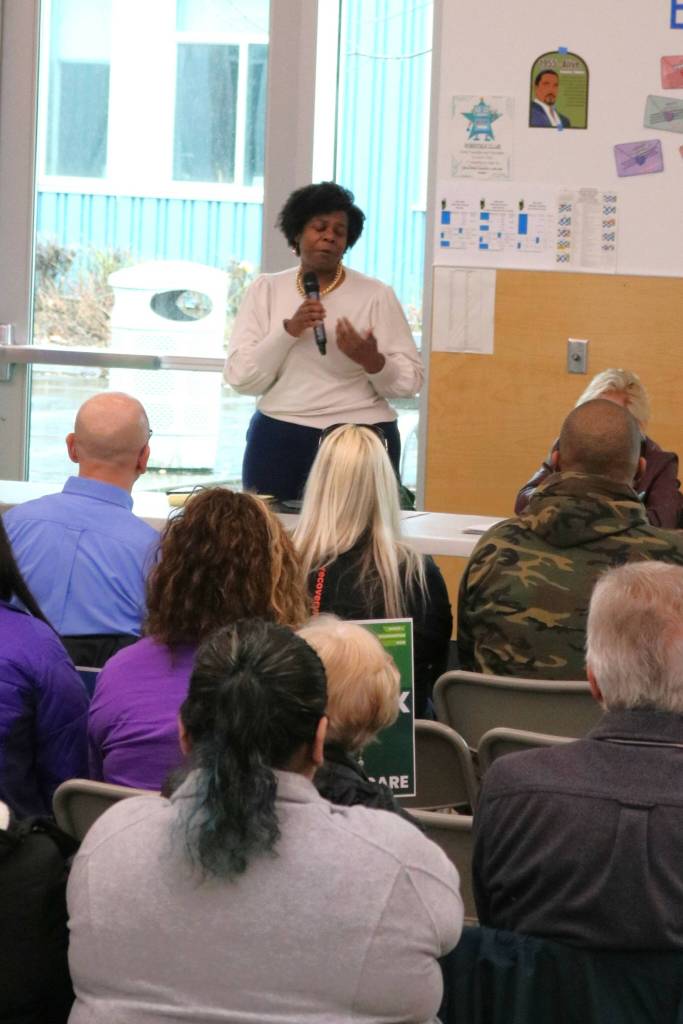





Budget woes, an income tax proposal, immigration and more were discussed by 30th District legislators as local town halls were held during the current session.
Rep. Jamila Taylor (D) and Sen. Claire Wilson (D) held a town hall at Federal Way High School on Feb. 21 and Rep. Kristine Reeves (D) held a virtual one on March 2.
The 30th District is made up of Federal Way, Des Moines, Algona and Pacific as well as some unincorporated areas of King County.
The legislators all covered a wide range of topics, including the “millionaires tax,” the overall budget, child welfare and juvenile justice, immigration and ICE, education, health care and more.
Budget and taxes
Reeves added context to the state’s budget crisis in response to a question asking how she is working to lower taxes and “stop the out of control spending in Olympia.”
“This is something that I hear from working families across our district, which is, how are we making sure that the taxes that you are providing to the government are working best for them,” Reeves said.
In response, Reeves explained that “we have a federal administration that has made several decisions to cut funding to the state of Washington.”
“The work ahead isn’t just how do we regulate the spending for Washington, but how do we make sure that we’re not leaving people in a lurch because the federal government isn’t returning your tax dollars to you the way that we’ve previously expected them to,” Reeves said.
One proposal to fill some of these gaps has been dubbed the “millionaires tax,” referring to Senate Bill 6346 and House Bill 2724, which would implement a 9.9% tax on personal income over $1 million per year.
Wilson and Taylor both expressed support for the tax, which they said would only tax 80 individuals in the 30th District’s total population of 158,317.
“I stand in support because in our community, we have far more people that would benefit from the dollars that would bring in for basic needs, for juvenile justice, for child welfare, food, shelter, clothing, child care,” Wilson said.
Taylor also supports the tax, clarifying for the audience: “I just want to make it very clear, this is not a tax on your wealth. This is a tax on your income and your second million dollars.”
Washington state currently forbids any income tax in its constitution, and is one of only eight states without an income tax.
This has led to the state having one of the most regressive tax structures in the country, meaning the actual taxation rate is much higher on lower income individuals than on those with more income due to the dependence on sales taxes, property taxes and other tax sources to fund the state’s budget.
Having higher tax rates for top income earners is not a new idea. In 1935, the federal Revenue Act instituted a tax rate of 63% on all income over one million.
This isn’t even the highest it has ever been. The top federal income tax rate was 94% and stayed above 90% from 1944 through 1964.
Reeves has previously said she doesn’t support the having any kind of income tax until a plan can be made for how to do that in a thoughtful way.
For the current proposal, she plans to “offer a list of amendments…focused on progressive tax relief” and said “I understand that the regressive tax system we live in is not working for folks. If we’re going to take this monumental vote for progressive tax reform, I want to make sure that we are strategically and thoughtfully tying it to regressive tax relief for middle class and working families.”
Because of the current laws against income tax, all three legislators noted that if the tax does pass, it is likely to be challenged in the state’s Supreme Court, and they wouldn’t be surprised if it ends up as a ballot initiative where the final decision will be made by Washington state voters.
These budget challenges have also led to proposed cuts that the legislators shared concerns over, especially around potential cuts to juvenile rehabilitation, developmental disability services, community-based organizations as well as food access and agricultural programs.
In one example, the new federal eligibility and work requirements for SNAP are going to cost Washington state taxpayers $300 million to $500 million to manage, money that could be going to support youth and senior food access, Reeves said.
“That’s tax dollars going into updating the system just to make it comply with federal rules,” Reeves said. She said what needs to be focused on is a strategic plan to “help look across the entire food system and build a security plan that feeds every Washingtonian.”
Immigration
A clash between state and federal priorities was also clear in discussions about immigration enforcement, as the legislators acknowledged the impact that policies of aggressive and indiscriminate enforcement are having on local families.
Taylor shared a recent personal impact, when she had to leave a legislative session in Olympia to make sure her family member’s caregiver could get from her bus stop to Taylor’s home safely after ICE was seen nearby. This incident has been echoed by many other caregivers she is connected to, saying that “in the caregiver world, the majority of folks are immigrants, and they have lawful work permits to be here, and they’re figuring whether or not they’re going to be able to continue to do their work. They’re fearing whether or not, when they take their their client out into community, that they will be picked up simply because they are Black, Brown, or just not speaking English in a way that is acceptable.”
Wilson shared an example of a Federal Way child care provider who went in for her normal check-in with immigration, and was deported along with her husband and her two children, ages 4 and 6.
“We have families in our community that have been impacted… we have individuals who are frightened, and rightfully so,” Wilson said.
While the state can’t bar federal agents from Washington state, Wilson and Taylor shared details of several bills that are being worked on to increase transparency and accountability and protect residents from abusive or fear‑inducing practices.
Legislators also covered bills they are working on in a variety of other areas, including bills related to child welfare, housing, transit access, support for working families, gaps in protections for seniors and more.
The full town hall on Feb. 21 can be viewed on Facebook and the March 2 town hall can be viewed on YouTube.